
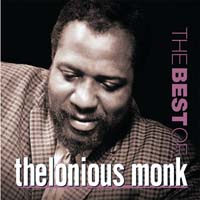
First impressions of Thelonious Monk – Monk's Blues
Monk's Blues- Album Overview
"Monk's Blues," released in 1968, is a significant posthumous album by the legendary jazz pianist and composer Thelonious Monk. This album was produced by the renowned producer and musician, Teo Macero, and was released under the Columbia Records label. The project was recorded during a transitional period in Monk's career, showcasing the evolution of his style and the integration of more contemporary elements in jazz.
The album features a blend of Monk's unique compositions with orchestral arrangements, marking a departure from his earlier, more minimalist recordings. Collaborators on this project include notable musicians such as Charlie Rouse on tenor saxophone, Larry Gales on bass, and Ben Riley on drums. The addition of strings and brass instruments lends a lush quality to the music, broadening its appeal beyond traditional jazz audiences.
Among the tracks, "Blue Monk," "Monk's Mood," and "Just a Gigolo" stand out, with Monk's signature rhythmic complexity and harmonic innovation shining through. "Monk's Blues" is considered important not only for its musical content but also for its cultural significance, as it reflects the broader changes happening in the jazz scene during the late 1960s. The album captures Monk's genius while also reaching for a wider audience, bridging the gap between jazz and popular music.
Review
The sound of "Monk's Blues" is an exhilarating mix of traditional jazz and orchestral textures, with Monk's piano work at the forefront. The arrangements are lush and expansive, showcasing the depth of his compositions while allowing space for improvisation. Monk's idiosyncratic playing style, characterized by its percussive attack and unconventional phrasing, remains intact, even as it is enveloped in orchestral harmonies.
Artistically, Monk pushes the boundaries of jazz by incorporating elements that appeal to a broader demographic, reflecting the changing landscape of music in the 60s. The lyrics, often poignant and reflective, resonate with the struggles and triumphs of life, giving the album an emotional weight that invites listeners to engage deeply with the music. Overall, "Monk's Blues" is a testament to Monk's enduring legacy and his ability to innovate within the jazz genre.
Highlights
- Innovative orchestral arrangements that enhance Monk's compositions.
- Strong performances from a talented ensemble of musicians.
- A perfect blend of traditional jazz elements with contemporary influences.
Weak points
- Some may find the orchestral elements detracting from the rawness of Monk's earlier work.
- Occasional unevenness in track pacing due to the orchestration.
- Not all listeners might connect with the lyrical content compared to purely instrumental pieces.
Overall evaluation
"Monk's Blues" is a noteworthy entry in Thelonious Monk's discography, showcasing a mature and innovative approach to jazz that resonates with both old fans and new listeners. It captures the essence of Monk's genius while stepping into new musical territories.
Personal rating: 8/10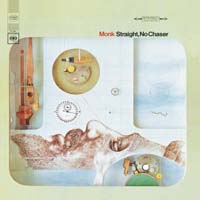 1967Straight, No Chaser
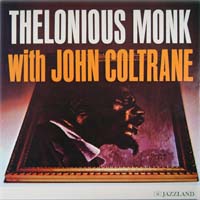 1961Thelonious Monk with John Coltrane
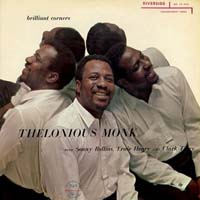 1957Brilliant Corners