
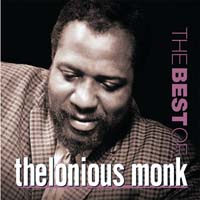
Monk: exploring the world of Thelonious Monk
Monk- Album Overview
Released in 1964, "Monk" is a pivotal album by the legendary jazz pianist and composer Thelonious Monk, showcasing his unique approach to jazz that blends complex harmonies and unconventional rhythms. This album was recorded under the Columbia Records label and features a collection of tracks that encapsulate Monk's innovative spirit. The recording sessions took place in the early 1960s, gathering some of the finest musicians of the time, including Charlie Rouse on tenor saxophone, Larry Gales on bass, and Ben Riley on drums, who collectively contribute to the album's rich tapestry of sound.
"Monk" is often celebrated for its iconic tracks such as "Well, You Needn't" and "Blue Monk," both of which exemplify Monk's genius in melody and improvisation. The album stands out not only for its musical complexity but also for its cultural significance, as it represents a crucial period in jazz history when experimental sounds began to merge with more traditional forms. Thelonious Monk's compositions challenged the status quo and helped to redefine the boundaries of jazz, making this album a must-listen for any serious jazz enthusiast. Its release solidified Monk's status as one of the most influential figures in the jazz genre, influencing countless musicians who followed.
Review
The sound of "Monk" is a breathtaking exploration of jazz that is at once adventurous and deeply rooted in tradition. From the first notes, listeners are treated to Monk's distinctive style, characterized by sudden shifts in tempo and unexpected chord progressions. The interplay between Monk's piano and Rouse's saxophone is particularly remarkable, with each musician pushing the other to new heights of creativity. Monk's compositions are both intricate and accessible, allowing listeners to appreciate the complexity without feeling alienated. The album's production quality is pristine, allowing the nuances of each performance to shine through, making it a timeless piece that continues to resonate with audiences today.
Highlights
- The intricate interplay between piano and saxophone.
- Iconic compositions that have become jazz standards.
- Rich production that captures the essence of live performance.
Weak points
- Some tracks may be considered too avant-garde for mainstream listeners.
- The album's length might leave some craving more material.
- The absence of more varied instrumentation could limit appeal.
Overall evaluation
"Monk" is a seminal work in Thelonious Monk's discography and a cornerstone of jazz music. It showcases the pianist's innovative spirit and remains influential to this day. The album is a testament to Monk's genius and a must-have for any jazz collection.
Personal rating: 9/10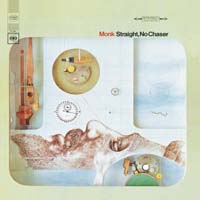 1967Straight, No Chaser
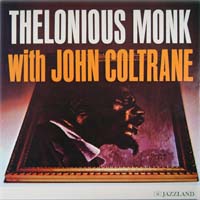 1961Thelonious Monk with John Coltrane
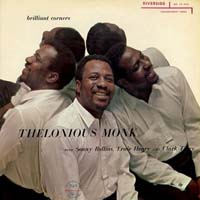 1957Brilliant Corners