
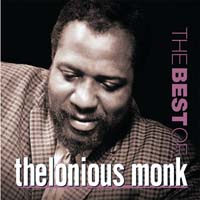
One week with Monk's Music: thoughts on Thelonious Monk
Monk's Music- Album Overview
"Monk's Music," released in 1957 by Riverside Records, stands as a cornerstone of modern jazz and a vital representation of Thelonious Monk's innovative genius. This album was recorded during a pivotal moment in Monk's career, showcasing his unique approach to composition and improvisation. The sessions took place in New York City, featuring a stellar lineup of musicians including saxophonist John Coltrane, trumpeter Donald Byrd, bassist Ahmed Abdul-Malik, drummer Art Taylor, and the legendary guitarist, and Monk's longtime collaborator, Steve Lacy. The album comprises a mix of Monk’s original compositions, such as "Well, You Needn't" and "Ruby, My Dear," alongside the classic "Straight, No Chaser." The production of "Monk's Music" captures the raw energy and spontaneity of jazz, with the musicians often playing off each other’s ideas in real-time, which adds a vibrant texture to the tracks. The album also gained attention for its unique arrangements and Monk's idiosyncratic piano style, which intertwines dissonance with melody, creating a distinctive sound that has influenced countless artists. The cultural significance of "Monk's Music" cannot be understated; it played a crucial role in introducing Monk’s work to a wider audience, marking a turning point in jazz history as it embraced more avant-garde elements while still being deeply rooted in the genre's traditions.
Review
The sound of "Monk's Music" is an adventurous blend of harmonies, rhythms, and textures that reflect Monk's artistic vision. Each track serves as a showcase for the interplay between the musicians, with Coltrane's soaring saxophone lines often contrasting Monk's percussive piano chords. The album radiates a sense of spontaneity, capturing the essence of live performance while remaining meticulously arranged. The compositions are rich and complex, inviting both casual listeners and seasoned jazz aficionados to delve deeper into their nuances. Monk's lyrical piano style is at the forefront, with his unique approach to rhythm and melody consistently challenging conventional jazz norms. The contrast between his playful, sometimes dissonant chords and the fluid lines of Coltrane creates a dynamic listening experience that feels both structured and free. "Monk's Music" is not just an album; it is a celebration of jazz as an art form, emphasizing improvisation and collaboration, which are the lifeblood of the genre.
Highlights
- The compelling interplay between Thelonious Monk's piano and John Coltrane's saxophone.
- Monk's unique compositions that blend complex rhythms with engaging melodies.
- The album's cultural impact, solidifying Monk's place as a jazz pioneer.
Weak points
- Some listeners may find Monk's dissonant style challenging or off-putting.
- The album's production, while authentic, may lack the polish of modern recordings.
- Limited accessibility for those unfamiliar with avant-garde jazz elements.
Overall evaluation
"Monk's Music" is a seminal work that encapsulates Thelonious Monk's brilliance and his revolutionary contributions to jazz. It remains a must-listen for anyone seeking to understand the evolution of the genre.
Personal rating: 9/10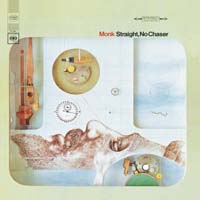 1967Straight, No Chaser
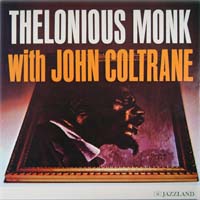 1961Thelonious Monk with John Coltrane
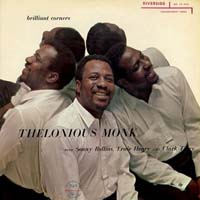 1957Brilliant Corners