
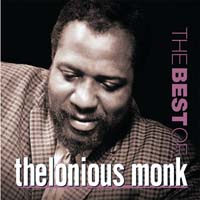
Monk's Moods: the story Thelonious Monk wants to tell
Monk's Moods- Album Overview
Released in 1968, "Monk's Moods" is an album by the iconic jazz pianist and composer Thelonious Monk, celebrated for his unique improvisational style and innovative contributions to jazz music. This album was released under the Columbia Records label, showcasing Monk's distinctive approach to the genre. The album features a collection of pieces that encapsulate Monk's emotional depth, with a focus on his ability to convey complex feelings through simplicity. Notable tracks include "Round Midnight," "Blue Monk," and "Well, You Needn't," which are pivotal in Monk's repertoire and jazz history.
The recording sessions for "Monk's Moods" involved a cadre of talented musicians, including saxophonist Charlie Rouse, who was a frequent collaborator and integral to the band’s sound. Monk’s partnership with Rouse is particularly evident in the intertwining melodies and harmonies that characterize the album. The album stands as a testament to Monk's artistic vision, blending a range of influences from blues to classical, ultimately shaping the modern jazz landscape.
The cultural significance of "Monk's Moods" cannot be overstated; it not only showcases Monk's genius but also reflects the broader evolution of jazz during a time of social change. The album is a vital reference point for both aspiring musicians and jazz aficionados, illustrating Monk's ability to convey emotion and narrative through his compositions. "Monk's Moods" continues to resonate with listeners, making it a timeless piece in the jazz canon.
Review
"Monk's Moods" is an exploration of the emotional spectrum through jazz, marked by Monk's signature dissonances and rhythmic complexities. The album opens with "Round Midnight," a haunting ballad that sets the tone for the introspective journey that follows. Monk's piano work is both intricate and spontaneous, demonstrating his deep understanding of melody and harmony. The collaboration with Rouse brings an added layer of depth, as the saxophone weaves in and out of Monk's piano lines, creating a dynamic interplay that is both engaging and thought-provoking.
Musically, the album is rich in texture, blending various styles while maintaining a coherent sound that is unmistakably Monk. The production captures the raw energy of live performance, allowing listeners to feel the spontaneity that is a hallmark of jazz. Lyrically, while the album is instrumental, the emotive power of Monk's compositions speaks volumes, telling stories of love, longing, and introspection without the need for words. Monk's vision for this album is clear: to evoke feelings and provoke thought, which he accomplishes with remarkable finesse.
Highlights
- The exceptional interplay between Monk and saxophonist Charlie Rouse.
- The emotional depth conveyed in tracks like "Round Midnight."
- The album’s seamless fusion of various musical styles, reflecting Monk's innovative spirit.
Weak points
- The album may be challenging for listeners unfamiliar with avant-garde jazz.
- Some tracks may feel repetitive in their exploration of themes.
- Lack of vocal tracks might limit appeal to broader audiences.
Overall evaluation
"Monk's Moods" is a profound listening experience that encapsulates Thelonious Monk's genius as a composer and performer. While it may not cater to every musical taste, its artistic merit and emotional resonance make it a significant contribution to jazz. This album is a must-listen for anyone interested in understanding the depths of jazz music.
Personal rating: 9/10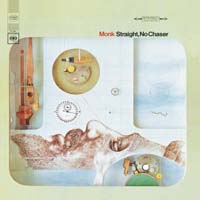 1967Straight, No Chaser
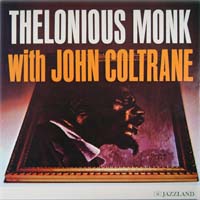 1961Thelonious Monk with John Coltrane
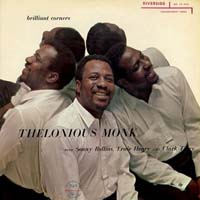 1957Brilliant Corners