ALBUM NOTESThelonious Monk – Monk’s Blues: track-by-track perspective
Monk’s Blues- Album Overview
Monk's Blues, released in 1968, marks a significant entry in Thelonious Monk's illustrious discography. This album, released under the Columbia Records label, showcases Monk's unique style as a jazz pianist and composer, melding elements of bebop with blues to create an intricate soundscape. The recording sessions took place in 1967 and featured a stellar cast of collaborators, including the legendary saxophonist John Coltrane, trombonist Art Davis, and the innovative drummer Ben Riley. Monk's Blues is notable for its rich orchestration, blending traditional jazz elements with orchestral textures, which was a departure from Monk's typical small group settings.
The album is primarily instrumental, featuring iconic tracks like "Monk's Blues" and "Little Rootie Tootie," both of which highlight Monk's intricate piano work and distinctive compositional style. The inclusion of string arrangements adds a layer of sophistication, enhancing the emotional depth of the pieces. Though not as commercially successful as some of Monk's earlier works, Monk's Blues holds cultural significance as it represents Monk's continued evolution as an artist during a transformative period in jazz history. It captures the essence of Monk's genius while also reflecting the broader shifts in the jazz genre during the late 1960s.
Review
Monk's Blues stands out as a testament to Thelonious Monk's artistic vision, showcasing his ability to intertwine complex melodies with a bluesy essence. The tracks feature Monk's signature dissonances and rhythmic unpredictability, paired with lush orchestral arrangements that serve to enhance rather than overshadow his piano work. The sound is characterized by its playful yet introspective nature, demonstrating Monk's mastery of mood and atmosphere. While the orchestration adds a unique dimension to the music, some purists may find it detracts from the raw energy typically associated with Monk's smaller ensembles. Nevertheless, this album is a compelling exploration of Monk's musical language, revealing layers of emotion and creativity that resonate deeply with listeners.
Highlights
- The intricate blend of jazz and blues, showcasing Monk's unique style.
- Strong performances from an ensemble of talented musicians, enriching the overall sound.
- The emotional depth conveyed through the orchestral arrangements, enhancing Monk's piano work.
Weak points
- The orchestral elements may overshadow some of Monk's improvisational brilliance.
- Not as commercially appealing as his earlier works, potentially limiting its audience.
- Some tracks may feel less cohesive due to the varied arrangements and instrumentation.
Overall evaluation
Monk's Blues is a rich and complex addition to Thelonious Monk's legacy, demonstrating his innovative spirit and willingness to experiment with his sound. While it may not capture the raw intensity of his earlier recordings, it offers a captivating exploration of his artistic evolution.
Personal rating: 8/10

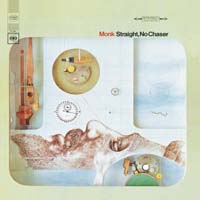 1967Straight, No Chaser
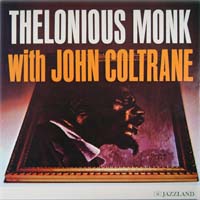 1961Thelonious Monk with John Coltrane
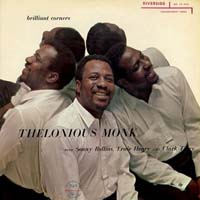 1957Brilliant Corners