ALBUM NOTESListening to Money Jungle by Charles Mingus-Money Jungle
Album overview
Released in 1963, "Money Jungle" is a seminal jazz album by the legendary bassist and composer Charles Mingus, featuring two iconic collaborators: pianist Duke Ellington and drummer Max Roach. Recorded at the Van Gelder Studio in Englewood Cliffs, New Jersey, the album showcases a blend of avant-garde jazz with a touch of blues and classical influences. It was released under the Impulse! Records label, known for its dedication to innovative jazz sounds. The album consists of seven tracks, including standout pieces like "Money Jungle," "Mood Indigo," and "Fleurette Africaine." The recording sessions were marked by tension and artistic friction, particularly between Mingus and Ellington, which ultimately contributed to the raw energy and improvisational spirit present throughout the album. "Money Jungle" is regarded not only as a high point in Mingus's career but also as a pivotal moment in jazz history, reflecting the socio-economic themes of the era through its complex compositions and intricate rhythms. The work has been praised for its cultural significance, as it explores the intersection of race, class, and artistic expression in America.
Review
"Money Jungle" is a masterclass in jazz that defies traditional boundaries, offering an audacious blend of rhythm and melody. The interplay between Mingus's robust bass lines and Ellington's sophisticated piano creates a dynamic tension that is both engaging and thought-provoking. The album's sound is rich with layers, thanks to Roach's intricate drumming that propels the music forward while maintaining a conversational dialogue with the other instruments. The improvisational nature of the tracks allows each musician to shine, with moments of sheer brilliance that are both spontaneous and meticulously crafted. Lyrically, while jazz often eschews direct lyrics, the emotional weight carried through the music speaks volumes about the societal struggles of the time. Mingus’s artistic vision is palpable, he seeks to evoke deep feelings and provoke thought, challenging listeners to reflect on their own realities. The album's rawness and authenticity resonate even today, making it a timeless piece of art.
Highlights
- The dynamic interplay between Mingus, Ellington, and Roach creates a unique soundscape.
- Tracks like "Money Jungle" and "Mood Indigo" showcase masterful compositions and improvisation.
- The album's exploration of socio-economic themes adds depth to its musical artistry.
Weak points
- The tension during recording may lead to some uneven moments in the flow of the album.
- Listeners not familiar with avant-garde jazz might find some tracks challenging.
- The album's historical context may overshadow its musical appreciation for some audiences.
Overall evaluation
"Money Jungle" stands as a landmark in jazz history, merging technical excellence with profound emotional resonance. Its exploration of complex themes through innovative musicality ensures its place in the pantheon of great jazz records.
Personal rating: 9/10
```

 1972Let My Children Hear Music
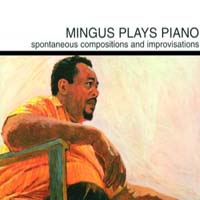 1964Mingus Plays Piano
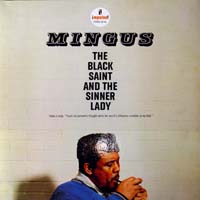 1963The Black Saint and the Sinner Lady
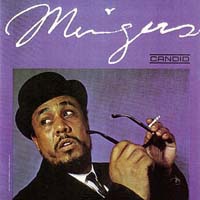 1960Mingus
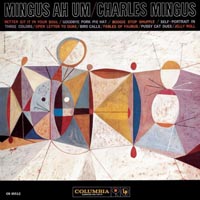
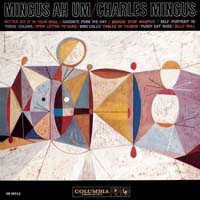 1959Mingus Ah Um
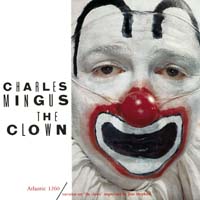 1957The Clown
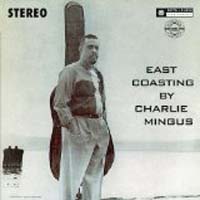 1957East Coasting
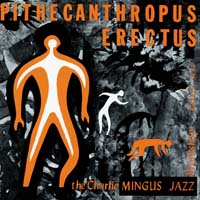 1956Pithecanthropus Erectus
 0Blues