

Charles Mingus – Changes One: a sonic journey
Changes One- Album Overview
"Changes One," released in 1974, is a pivotal album in the discography of the legendary jazz bassist and composer Charles Mingus. This album, produced by Mingus himself and released under the label Atlantic Records, showcases his innovative approach to jazz fusion. Recorded in 1974, it captures a unique moment in Mingus's career, where he sought to blend traditional jazz elements with contemporary sounds, reflecting the changing musical landscape of the time.
The album features a diverse ensemble of talented musicians, including pianist Don Pullen, drummer Dannie Richmond, and saxophonist George Adams, who contribute to the album's rich textures and dynamic arrangements. "Changes One" is notable for its seamless transitions between structured compositions and improvisational segments, a hallmark of Mingus's artistic vision. The album includes tracks like "The Man Who Never Stops," "Remember Rockefeller at Attica," and "For Harry Carney," each highlighting Mingus's ability to convey complex emotions through music.
Culturally, "Changes One" is significant as it reflects Mingus's ongoing exploration of racial and social themes, which were prevalent during the 1970s. The album's release coincided with a turbulent period in American history, making its themes of struggle and resilience resonate deeply with listeners. Despite the challenges he faced in his later years, including health issues, Mingus's passion for music and his relentless creativity shine through in this work, solidifying his legacy as one of jazz's most influential figures.
Review
The sound of "Changes One" is a breathtaking amalgamation of jazz styles, from hard bop to avant-garde, showcasing Mingus's mastery over the genre. Each track flows fluidly into the next, offering listeners an immersive experience that demands attention. The interplay between the musicians is electric; Don Pullen's piano work is particularly noteworthy, providing both lyrical beauty and rhythmic complexity that elevates the compositions. Mingus's bass lines are as inventive as ever, driving the music forward with an infectious energy that is hard to resist.
Artistically, Mingus's vision on this album is expansive. He crafts pieces that are not only musically rich but also emotionally resonant, often reflecting on social justice and personal struggle. The lyrics, when present, evoke a strong sense of place and time, serving as a commentary on the human condition. The balance of structured arrangements and free-form improvisation allows the musicians to shine individually while contributing to a cohesive whole, making "Changes One" a compelling listen for both jazz aficionados and casual listeners alike.
Highlights
- The seamless blend of structured compositions and improvisation.
- Don Pullen's exceptional piano performances that enhance the overall sound.
- Mingus's compelling exploration of social themes through music.
Weak points
- Some tracks may feel disjointed to listeners unfamiliar with jazz's improvisational nature.
- The album's complex themes may not resonate with everyone.
- Occasional lengthy passages might challenge the patience of casual listeners.
Overall evaluation
"Changes One" stands as a testament to Charles Mingus's genius, blending innovative jazz with profound social commentary. While it may pose challenges for some listeners, its rewards are plentiful for those willing to engage with its depth.
Personal rating: 9/10 1972Let My Children Hear Music
 1964Mingus Plays Piano
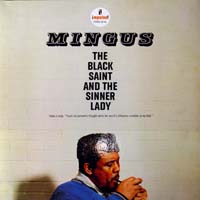 1963The Black Saint and the Sinner Lady
 1960Mingus
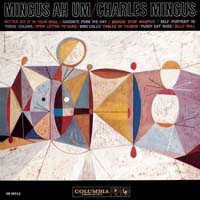 1959Mingus Ah Um
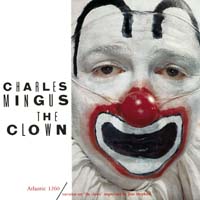 1957The Clown
 1957East Coasting
 1956Pithecanthropus Erectus
 0Blues