
Listening guide: Charles Mingus's Four Trombones
Four Trombones- Album Overview
Released in 1964, Charles Mingus's "Four Trombones" stands as a significant entry in the realm of jazz, showcasing the innovative spirit of one of the genre's most influential composers and bandleaders. The album was released under the Impulse! label, a platform known for its dedication to avant-garde jazz and progressive artists. The recording features an intriguing ensemble of four trombonists: Mingus himself, along with Jimmy Knepper, Britt Woodman, and the legendary trombonist, and later bandleader, Frank Rosolino. This unique instrumentation allows for a rich tapestry of sound, exploring harmonies and textures that were relatively uncharted at the time. The album is notable for its ambitious arrangements and complex compositions, typical of Mingus's work. The tracks delve into various styles, blending hard bop with elements of blues and avant-garde, reflecting the cultural and musical transitions occurring in the 1960s. The album's production involved significant collaboration, with Mingus's leadership guiding the trombone quartet through intricate musical dialogues. Notably, the track "Trombone Song" showcases the virtuosity of the ensemble, while pieces like "Screaming" and "Mingus Fables" demonstrate the emotive power and depth characteristic of Mingus’s artistry. "Four Trombones" represents not just a remarkable exploration of a specific instrumentation, but also a moment in jazz history where traditional boundaries were being pushed. The album did not produce mainstream singles but has garnered critical acclaim and remains an essential listen for jazz enthusiasts and scholars alike.
Review
The sound of "Four Trombones" is a sonic adventure that challenges listeners while rewarding them with its complexity and depth. Mingus's compositions are rich and varied, employing the trombone's unique timbre to create a blend of melancholy and exuberance. The album’s arrangements allow each trombonist to shine, showcasing their individual talents while contributing to a cohesive whole. The interplay between the trombones is both intricate and fluid, creating a dialogue that feels fresh and spontaneous, capturing the essence of Mingus's artistic vision. Mingus's ability to fuse genres and emotional narratives within his compositions elevates "Four Trombones" beyond mere experimentation; it becomes a profound statement on the power of collective musicianship. The emotional weight carried in tracks like "Screaming" is palpable, echoing Mingus's own struggles and triumphs. The eclectic mix of styles presents a listening experience that, while challenging, is immensely rewarding for those willing to engage with its nuances.
Highlights
- The intricate arrangements that showcase the unique voices of each trombonist.
- The emotional depth and complexity of Mingus's compositions.
- The adventurous spirit that pushes the boundaries of traditional jazz.
Weak points
- The album may be too avant-garde for casual jazz listeners.
- Some tracks may feel disjointed due to their experimental nature.
- Lack of mainstream appeal may limit its recognition outside jazz circles.
Overall evaluation
"Four Trombones" is a bold exploration of jazz that exemplifies Charles Mingus's genius as a composer and bandleader. While it may not cater to all tastes, its artistic merit and innovative spirit make it a noteworthy contribution to the genre.
Personal rating: 8/10 1972Let My Children Hear Music
 1964Mingus Plays Piano
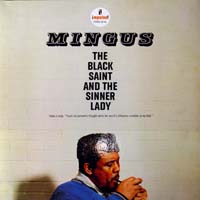 1963The Black Saint and the Sinner Lady
 1960Mingus
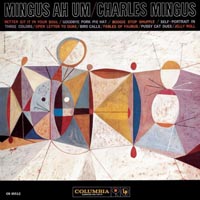
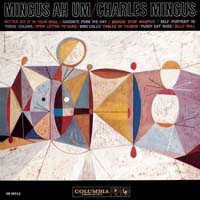 1959Mingus Ah Um
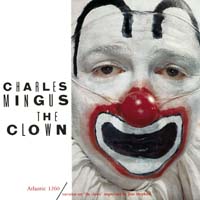 1957The Clown
 1957East Coasting
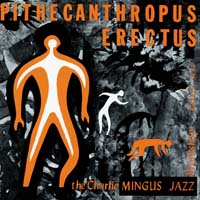 1956Pithecanthropus Erectus
 0Blues