
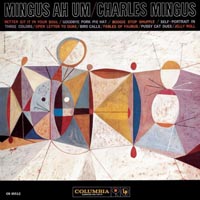
Lullabye Of The Leaves: exploring the world of Charles Mingus
Lullabye Of The Leaves- Album Overview
"Lullabye of the Leaves" is a remarkable album by the influential jazz bassist and composer Charles Mingus, released in 1961 under the label Candid Records. This album showcases Mingus's innovative approach to jazz, blending complex arrangements with raw emotional expression. The recording session took place in New York City, featuring a stellar lineup of jazz musicians including Eric Dolphy on alto saxophone, Don Pullen on piano, and Charlie Mariano on soprano saxophone. The collaboration among these artists resulted in a rich tapestry of sounds that reflects the experimental spirit of the early 1960s. The album consists of several tracks, including the eponymous "Lullabye of the Leaves," which stands out for its intricate interplay between the musicians and Mingus's signature bass lines. This piece, along with others like "Meditation on Integration" and "Dancing in the Dark," not only showcases Mingus's compositional prowess but also serves as a commentary on the social issues of the time, including race relations and the civil rights movement. Mingus was known for his avant-garde style and willingness to challenge the norms of jazz, and "Lullabye of the Leaves" is a testament to that vision. The album did not yield any major singles that topped charts but has since been recognized as an essential part of Mingus's discography, influencing generations of musicians. Its combination of lyrical beauty and complex structures continues to resonate with listeners and musicians alike, making it a significant entry in the canon of American jazz music.
Review
"Lullabye of the Leaves" is a testament to Charles Mingus's brilliance as a composer and bandleader. The album opens with an evocative soundscape that invites listeners into a world filled with intricate melodies and dynamic rhythms. The musicianship on display is exceptional, particularly the interplay between Mingus's bass and Dolphy's saxophone. The tracks are often marked by sudden shifts in tempo and mood, capturing the essence of Mingus's artistic vision. The emotional depth of the music is palpable, with each track conveying a sense of urgency and introspection. Mingus's ability to weave together complex arrangements while maintaining a strong emotional core sets him apart from his contemporaries. While the album does not feature traditional lyrics, the musical expressions convey a rich narrative that speaks to the listener's heart. Mingus's exploration of themes such as struggle and resilience is evident throughout the album. The improvisational elements encourage both the musicians and listeners to engage deeply with the music, creating an experience that feels both personal and communal. Overall, "Lullabye of the Leaves" is an essential listen for anyone interested in the evolution of jazz and the profound impact of Charles Mingus on the genre.
Highlights
- Exceptional musicianship and collaboration among top jazz artists.
- Intricate arrangements that blend emotional depth with technical prowess.
- Strong thematic exploration of social issues and personal struggle.
Weak points
- Some listeners may find the avant-garde style challenging.
- Lack of mainstream singles may limit its exposure to wider audiences.
- The album's complex structures may not appeal to traditional jazz purists.
Overall evaluation
"Lullabye of the Leaves" stands as a significant work in Charles Mingus's discography, showcasing his innovative approach to jazz while addressing profound social themes. Its intricate compositions and exceptional performances make it a must-listen for jazz enthusiasts and newcomers alike. Personal rating: 9/10
 1972Let My Children Hear Music
 1964Mingus Plays Piano
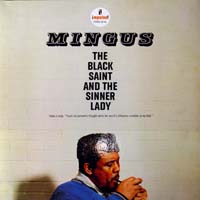 1963The Black Saint and the Sinner Lady
 1960Mingus
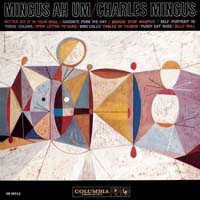 1959Mingus Ah Um
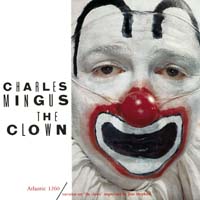 1957The Clown
 1957East Coasting
 1956Pithecanthropus Erectus
 0Blues