ALBUM NOTESAlbum spotlight: Charles Mingus-Mingus – Mingus
Album overview
Charles Mingus's album "Mingus," released in 1979, is a remarkable testament to the genius of one of jazz's most innovative figures. Produced by the legendary bassist and composer himself, the album was released under the Atlantic Records label. This album is notable not only for its musical complexity but also for its deep emotional resonance, reflecting Mingus's struggles and triumphs in life. The recording features a stellar lineup of musicians, including saxophonist George Adams, trumpeter Don Pullen, and drummer Danny Richmond.
"Mingus" is a collection of compositions that showcases Mingus's unique ability to blend intricate arrangements with raw emotional power. The album is a tribute to various influences, such as gospel, blues, and classical music, and it weaves these elements into a cohesive artistic statement. Among its standout tracks are "Remember Rockefeller at Attica," a poignant commentary on social justice, and "Celia," which exemplifies Mingus's lyrical approach to jazz. The album is culturally significant, as it encapsulates the spirit of the 1970s jazz scene while addressing the sociopolitical issues of the time. "Mingus" serves as both a reflection of Mingus's artistic vision and a broader commentary on the human experience, making it an essential listen for jazz enthusiasts and newcomers alike.
Review
"Mingus" is an album that defies easy categorization, blending various jazz styles into a rich tapestry of sound. The album opens with the vibrant energy of "Remember Rockefeller at Attica," which sets the tone for the political and emotional themes explored throughout the record. Mingus's compositions are characterized by their dynamic shifts, taking listeners on a journey that is as unpredictable as it is captivating. The musicianship displayed by the ensemble is exceptional, with each member contributing to the complex interplay that defines the album's sound.
The lyrical content of the songs often delves into deep, personal territory, reflecting Mingus's own life experiences, from struggles with mental health to his commitment to civil rights. This emotional depth is particularly evident in pieces like "Celia," where the melodic lines evoke a sense of longing and nostalgia. Mingus's artistic vision shines through in how he utilizes jazz not just as an art form but as a vehicle for expression and social commentary. The album can feel overwhelming at times due to its ambitious nature, but it rewards attentive listening with profound insights and unforgettable melodies.
Highlights
- Exceptional musicianship from a talented ensemble.
- Rich emotional depth in compositions.
- Strong social and political commentary woven throughout the album.
Weak points
- Complex arrangements may be challenging for casual listeners.
- Some tracks may feel dense or overwhelming.
- Lack of mainstream appeal compared to more commercial jazz albums.
Overall evaluation
"Mingus" stands as a powerful testament to Charles Mingus's legacy, blending intricate compositions with heartfelt emotion. It is an album that demands attention and contemplation, rewarding listeners with its depth and artistry.
Personal rating: 9/10
```


 2021Riding Where Sunshine
 1972Let My Children Hear Music
 1964Mingus Plays Piano
 1963The Black Saint and the Sinner Lady
 1959Mingus Ah Um
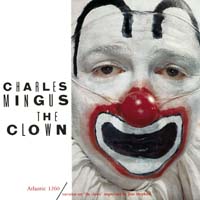 1957The Clown
 1957East Coasting
 1956Pithecanthropus Erectus
 0Blues