
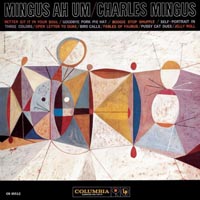
How Charles Mingus shaped the sound of Charlie Mingus
Charlie Mingus- Album Overview
The album "Charlie Mingus," released in 1959 under the Atlantic Records label, stands as a significant entry in the discography of the legendary jazz bassist and composer Charles Mingus. Recorded during a period of great innovation in jazz, this album showcases Mingus's distinctive blend of hard bop, avant-garde, and classical influences. The sessions took place in New York City, a hub for jazz musicians, and feature a lineup of talented collaborators, including the likes of trumpeter Ted Curson, saxophonist Eric Dolphy, and drummer Dannie Richmond.
With a total of eight tracks, including standouts like "Better Git It in Your Soul" and "Fables of Faubus," the album reflects Mingus's ability to fuse complex musical ideas with emotional depth. The themes explored in his compositions often touch on social issues, revealing Mingus's commitment to addressing cultural and political matters through his art. The album was produced by Mingus himself, a testament to his vision and desire for creative control over his work.
Singles from the album, particularly "Fables of Faubus," became notable for their biting commentary on racial tensions in America during the late 1950s. This track, along with others, exemplifies Mingus's unique approach to jazz, where he intertwines improvisation with structured arrangements, creating a sound that is both unpredictable and intensely engaging. The album has since been recognized as a vital contribution to the jazz genre and remains influential among musicians and fans alike.
Review
In "Charlie Mingus," the listener is treated to a dynamic exploration of jazz that encapsulates the spirit of the late 1950s. The album is characterized by its daring arrangements, where Mingus's bass lines serve not only as foundational elements but also as a source of melodic innovation. Each track is a testament to the collective improvisation that defines jazz, with each musician contributing their unique voice to the ensemble. Notably, Eric Dolphy's woodwind work adds a layer of complexity that complements Mingus's compositions, pushing the boundaries of traditional jazz.
Lyrically, while Mingus’s music often speaks volumes through instrumental expression, the few vocal elements present, particularly in "Fables of Faubus," resonate with a powerful political message that continues to be relevant. The fusion of humor and serious commentary in his music allows for a multifaceted listening experience. Overall, the album exemplifies Mingus's artistic vision of jazz as a vehicle for both personal expression and social critique, making it not just an album but a cultural artifact.
Highlights
- Innovative compositions that blend hard bop with avant-garde elements.
- Powerful performances by a stellar lineup of musicians.
- Socially relevant themes that resonate beyond the music itself.
Weak points
- Some listeners may find the avant-garde elements challenging or inaccessible.
- The production quality, reflective of its time, may not meet modern standards for clarity.
- Not all tracks maintain the same level of intensity or engagement.
Overall evaluation
"Charlie Mingus" is a landmark album that not only showcases Charles Mingus as a virtuoso bassist and composer but also as a voice of his generation. The album is a rich tapestry of musical innovation and cultural commentary, solidifying Mingus's place in the pantheon of jazz greats.
Personal rating: 9/10 1972Let My Children Hear Music
 1964Mingus Plays Piano
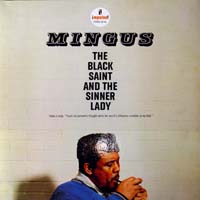 1963The Black Saint and the Sinner Lady
 1960Mingus
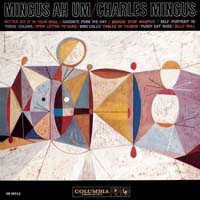 1959Mingus Ah Um
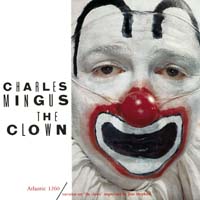 1957The Clown
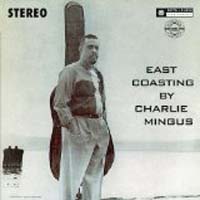 1957East Coasting
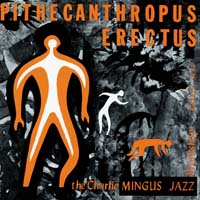 1956Pithecanthropus Erectus
 0Blues