ALBUM NOTESUnpacking Charles Mingus-Blue Bird's Blue Bird
Album overview
Charles Mingus, an iconic figure in the world of jazz, did not release an album titled "Blue Bird" under the name "Charles Mingus-Blue Bird". The confusion may stem from the fact that Mingus is known for his innovative compositions and deep emotional expressiveness within the jazz genre, particularly in the 1950s and 1960s. His works often blended elements of blues, gospel, and classical music, establishing him as a pioneering force.
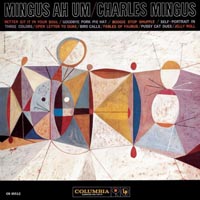
Mingus's significant contributions to jazz include landmark albums such as "Mingus Ah Um" (1959) and "The Black Saint and the Sinner Lady" (1963). His music is characterized by complex arrangements and a strong interplay between musicians, often showcasing his prowess as a bassist and bandleader. Collaborators such as Eric Dolphy, Max Roach, and Charles McPherson played vital roles in his recordings, contributing to the rich tapestry of sound that defines his legacy.
While "Blue Bird" does not exist as an album, it is essential to recognize the depth of Mingus's catalog and the cultural significance he held in shaping modern jazz. His works continue to influence countless musicians and remain a reference point for understanding the evolution of the genre.
Review
In the absence of a specific album titled "Blue Bird," one can reflect on the essence of Mingus's overall artistic vision. His compositions often push the boundaries of traditional jazz, mixing in elements of chaos and order, which mirror the complexities of life itself. His ability to convey deep emotional narratives through instrumental music is unparalleled, challenging listeners to engage with the nuances of rhythm and melody. The intricate arrangements and improvisations in his work invite both reflection and spontaneity, creating a dynamic listening experience that resonates with audiences.
Musically, Mingus's output is a blend of structured chaos, with each note bearing the weight of its historical and cultural context. His ability to incorporate social commentary into his music, particularly regarding race and identity, showcases his commitment to using jazz as a medium for expression and change. While "Blue Bird" may not exist, the spirit of Mingus's work lives on, inviting new generations to explore the depths of jazz artistry.
Highlights
- Innovative compositions that blend various musical styles.
- Deep emotional expressiveness that connects with listeners.
- Influential collaborations with other jazz greats.
Weak points
- Complexity may alienate casual listeners.
- Some arrangements can feel overwhelming in their density.
- Lack of mainstream recognition compared to contemporaries.
Overall evaluation
While "Blue Bird" by Charles Mingus-Blue Bird does not exist, the music of Charles Mingus remains a profound and influential force in jazz history. His contributions to the genre are monumental and continue to inspire.
Personal rating: N/A
```

 1972Let My Children Hear Music
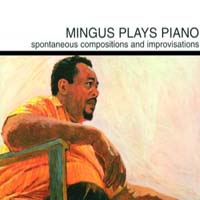 1964Mingus Plays Piano
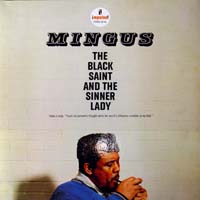 1963The Black Saint and the Sinner Lady
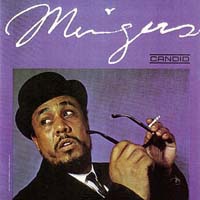 1960Mingus
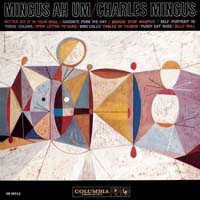 1959Mingus Ah Um
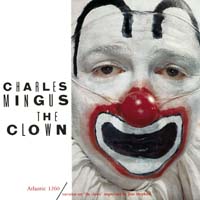 1957The Clown
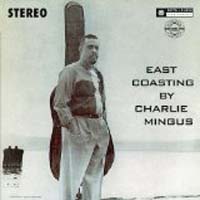 1957East Coasting
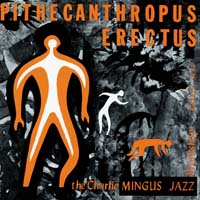 1956Pithecanthropus Erectus
 0Blues