ALBUM NOTESDown On Stovall’s Plantation: discovering Muddy Waters's artistry
Down On Stovall’s Plantation- Album Overview
Muddy Waters's "Down On Stovall’s Plantation," released in 1959, is a significant entry in the blues genre that encapsulates the essence of the Mississippi Delta sound. This album was recorded for the Chess Records label, a key player in the blues and rock music scenes during the mid-20th century. The recording sessions took place in Chicago, where Waters had moved in the late 1940s. He brought along his Delta roots, merging them with the urban sound that was evolving in the city.
The album features a range of tracks that showcase Waters's powerful voice and guitar prowess. The title track "Down On Stovall’s Plantation" serves as a poignant reflection on his early life and the struggles of African Americans in the rural South. The album consists of both original compositions and covers, highlighting Waters's ability to interpret and reinvent traditional blues. Collaborators on this project included notable musicians such as Little Walter on harmonica and Jimmy Rogers on guitar, both of whom contributed to the distinctive sound that characterized Waters's work.
"Down On Stovall’s Plantation" not only solidified Muddy Waters's place as a pioneering figure in blues but also influenced countless artists across genres, from rock and roll to folk music. The album's themes of hardship, resilience, and cultural identity resonate deeply, making it a vital piece of American music history. The release of this album helped to pave the way for the blues revival of the 1960s, ensuring that Waters's artistry would continue to inspire future generations.
Review
Muddy Waters's "Down On Stovall’s Plantation" is a masterclass in blues music, characterized by its raw emotional power and authentic storytelling. The sound is a rich tapestry of Delta blues infused with Chicago's electric innovations, creating a compelling listening experience. Waters's voice, gravelly yet soulful, effortlessly conveys the pain and joy of life in the South. The instrumentation, featuring gritty guitar riffs and haunting harmonica melodies, complements the lyrical depth perfectly.
Lyrically, the album navigates themes of nostalgia, struggle, and identity. Tracks like "Stovall's Plantation" and "You Can't Lose What You Ain't Never Had" showcase Waters's talent for painting vivid images with his words, pulling listeners into his world. The production is stripped down yet powerful, allowing the artistry of Waters and his band to shine through without unnecessary embellishments.
Overall, the artistic vision of "Down On Stovall’s Plantation" reflects a deep connection to African American culture and the blues tradition, making it not just a musical recording but a historical document that captures the essence of a bygone era.
Highlights
- Muddy Waters's iconic vocal delivery and guitar playing.
- Emotionally resonant lyrics that reflect personal and cultural narratives.
- Exceptional collaborations with top blues musicians of the era.
Weak points
- Some tracks may feel repetitive in structure for modern listeners.
- Lack of production polish that might deter those unfamiliar with raw blues.
- Limited commercial appeal at the time of release, overshadowed by rock and roll trends.
Overall evaluation
"Down On Stovall’s Plantation" is a vital work that showcases Muddy Waters's profound impact on the blues genre and American music as a whole. Its authenticity and emotional depth make it a must-listen for fans of the genre and a significant historical artifact.
Personal rating: 9/10


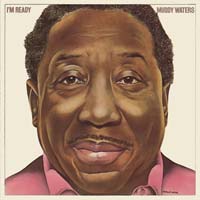 1978I'm Ready
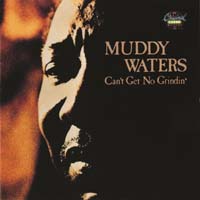 1973Can't Get No Grindin'
 1972The London Muddy Waters Sessions
 1969Fathers and Sons
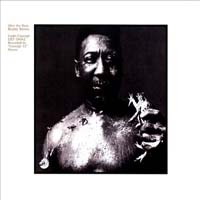 1969After the Rain