
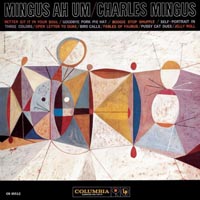
Listening guide: Charles Mingus's Cumbia & Jazz Fusion
Cumbia & Jazz Fusion- Album Overview
Released in 1979, Charles Mingus's "Cumbia & Jazz Fusion" stands as a remarkable testament to the legendary bassist and composer’s ability to blend diverse musical influences. This album, released under the label Jazz Workshop, showcases Mingus's innovative spirit and his willingness to experiment with genres. Recorded during a period of personal and professional transition for Mingus, the album features a mix of jazz, cumbia, and other Latin influences, highlighting his deep appreciation for rhythmic complexity and cultural diversity.
The project was produced by Mingus himself, and it features an array of accomplished musicians who contribute to its rich texture. Collaborators on the album include saxophonist George Adams, trumpeter Don Pullen, and drummer Dannie Richmond, all of whom were integral to the Mingus sound during this era. The album consists of several tracks that feature intricate arrangements and vibrant improvisation, characteristic of Mingus's style. Notable tracks include "Cumbia & Jazz Fusion" and "The Man Who Never Sleeps," both of which embody the album's thematic focus on the interplay between jazz improvisation and the infectious rhythms of cumbia.
"Cumbia & Jazz Fusion" serves not only as an exploration of musical fusion but also as a reflection of the cultural exchanges happening during the late 1970s. This period saw a growing interest in world music, and Mingus’s work in this album captures the essence of that movement. The album was not released as a commercial single, but its impact resonates within the jazz community and among fans of world music. Overall, this album is a vital part of Mingus's discography, showcasing his genius as a composer and his ability to transcend musical boundaries.
Review
"Cumbia & Jazz Fusion" is a vibrant, energetic album that encapsulates the spirit of experimentation that Charles Mingus was known for throughout his career. The fusion of cumbia rhythms with jazz improvisation results in a sound that is both innovative and accessible. The album opens with the title track, which immediately sets the tone with its infectious groove and complex harmonies. Throughout the record, Mingus's bass work stands out, providing a strong foundation for the ensemble's explorations.
The artistic vision behind this album is clear: Mingus sought to create a dialogue between cultures, using music as a means of connection. The interplay between the musicians is dynamic and engaging, showcasing each player's unique voice while contributing to the collective sound. The arrangements are intricate, yet they allow for moments of spontaneity that jazz lovers cherish. While the album may not have achieved mainstream success, its artistic merit is undeniable, making it a significant entry in Mingus's catalog.
Highlights
- The innovative blend of cumbia and jazz creates a fresh and exciting sound.
- Outstanding performances by a talented ensemble of musicians.
- Complex arrangements that showcase Mingus's compositional genius.
Weak points
- Some listeners may find the fusion of genres jarring.
- The album's pacing can feel uneven at times.
- Lack of mainstream recognition may limit its audience.
Overall evaluation
"Cumbia & Jazz Fusion" is a bold and adventurous album that reflects Charles Mingus's innovative spirit and dedication to musical exploration. It remains a vital listen for those interested in the intersections of jazz and world music.
Personal rating: 8/10 1972Let My Children Hear Music
 1964Mingus Plays Piano
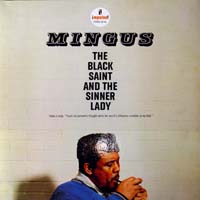 1963The Black Saint and the Sinner Lady
 1960Mingus
 1959Mingus Ah Um
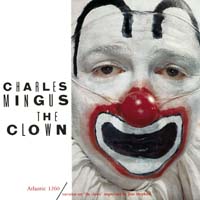 1957The Clown
 1957East Coasting
 1956Pithecanthropus Erectus
 0Blues