ALBUM NOTESBreaking down the themes in Art Blakey's Jazz Messengers With Thelonious by Thelonious Monk
Art Blakey's Jazz Messengers With Thelonious - Album Overview
Art Blakey's Jazz Messengers With Thelonious Monk, released in 1957 on the Riverside label, is a seminal album in the jazz genre that showcases the dynamic interplay between two of jazz's most influential figures. This album is a collaboration featuring Thelonious Monk on piano, alongside Blakey's renowned ensemble, The Jazz Messengers. The recording took place during a critical time in jazz history when the hard bop style was emerging, characterized by its combination of bebop with blues and gospel influences.
The album consists of six tracks, including classics such as "Well, You Needn't" and "In Walked Bud," which highlight Monk's unique compositional style and innovative harmonies. The synergy between Monk's idiosyncratic piano technique and Blakey's powerful drumming creates a captivating soundscape that is both energetic and introspective. The album also features talented musicians like Wayne Shorter, Lee Morgan, and Bobby Timmons, who contribute significantly to its overall sound.
Culturally, this album is significant as it encapsulates a pivotal moment in the evolution of jazz, reflecting the shift towards a more expressive and rhythmically intricate style. Its release came during a decade when jazz was becoming increasingly popular, and Blakey's Jazz Messengers served as a launching pad for many young musicians who would go on to shape the genre. The album remains a cornerstone of jazz education and continues to inspire new generations of musicians.
Review
Art Blakey's Jazz Messengers With Thelonious Monk is a masterclass in collaborative jazz performance, where each musician adds their distinct voice to the ensemble. The album's sound is rich and layered, with Monk's avant-garde approach to melody and harmony creating a contrast to Blakey's driving rhythms. The intricate interplay between the musicians is evident, as they navigate Monk's complex compositions with both precision and spontaneity.
The tracks are imbued with a sense of urgency and joy, particularly in pieces like "Blue Monk," where Monk's playful yet sophisticated style shines through. The improvisational skills of the band members elevate the listening experience, making each listen reveal new nuances. While the album is primarily instrumental, the emotional depth conveyed through the music transcends the absence of lyrics, allowing listeners to connect with the themes of struggle, triumph, and the human experience.
Artistically, Monk's vision is unmissable, as he pushes the boundaries of traditional jazz while remaining deeply rooted in its foundations. The album not only solidifies his status as a pioneer of modern jazz but also showcases Blakey's ability to foster creativity within his band, making it a landmark recording in the history of jazz.
Highlights
- The exceptional chemistry between Monk and Blakey, showcasing an innovative blend of styles.
- Monk's unique compositions that challenge conventional jazz structures.
- The album's cultural significance as a representation of the hard bop movement.
Weak points
- Some listeners may find Monk's unconventional style challenging to appreciate initially.
- The short length of the album may leave fans wanting more from this extraordinary collaboration.
- Not all tracks may resonate equally with listeners, as personal taste in jazz can vary significantly.
Overall evaluation
Art Blakey's Jazz Messengers With Thelonious Monk is an essential listen for any jazz aficionado, presenting an exciting fusion of talent and innovation that defines an era. Its enduring legacy continues to influence jazz musicians today.
Personal rating: 9/10

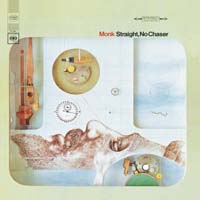 1967Straight, No Chaser
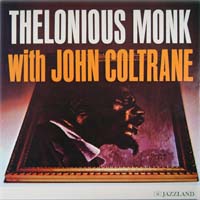 1961Thelonious Monk with John Coltrane
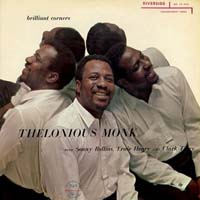 1957Brilliant Corners