
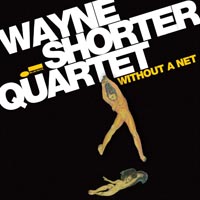
Wayne Shorter experiments boldly on Adam’s Apple
Adam’s Apple- Album Overview
Released in 1966, "Adam’s Apple" is Wayne Shorter's third studio album as a bandleader, showcasing his innovative approach to jazz composition and improvisation. The album was recorded at Van Gelder Studio, a legendary recording venue known for its exceptional acoustics, and was released under the Blue Note label, a hallmark of quality in jazz music. Featuring a stellar lineup of musicians, including pianist McCoy Tyner, bassist Ron Carter, drummer Elvin Jones, and trumpeter Freddie Hubbard, "Adam’s Apple" exemplifies the rich interplay and dynamic synergy that Shorter sought to achieve in his work. The album consists of six tracks, with compositions primarily penned by Shorter himself, including the standout pieces "Footprints" and "Adam's Apple," which showcase his distinctively lyrical and adventurous style. The album is notable not only for its technical brilliance but also for its cultural significance, as it marks a pivotal moment in the evolution of jazz during the 1960s. Shorter, who was also a member of the legendary Miles Davis Quintet, pushed the boundaries of harmonic structure and melody, reflecting the shifting paradigms of jazz. The album's release helped solidify Shorter's reputation as a forward-thinking composer and performer, influencing countless musicians in the years to come. "Adam's Apple" remains a cornerstone of modern jazz, demonstrating Shorter's bold creativity and his ability to weave complex musical narratives.
Review
"Adam’s Apple" is a captivating exploration of sound that marries traditional jazz elements with avant-garde experimentation. Shorter's compositions display a remarkable balance between structure and freedom, inviting listeners to experience each track as both a crafted piece and an open improvisational canvas. The opening track, "Adam's Apple," sets the tone with its intricate melodies and rhythmic complexities, while "Footprints" showcases a haunting beauty that has made it a jazz standard. The album's production quality is excellent, capturing the nuanced performances of each musician. Shorter's saxophone work is both assertive and contemplative, weaving through the arrangements with a fluidity that keeps the listener engaged. The interplay with Tyner's piano and Carter's bass adds layers of depth, creating a rich soundscape that is both innovative and accessible. Overall, "Adam’s Apple" is a testament to Shorter's artistic vision, reflecting his ability to push the boundaries of jazz while remaining deeply rooted in its tradition.
Highlights
- Innovative compositions that blend lyrical melodies with complex harmonics.
- Outstanding performances by a stellar supporting cast of jazz legends.
- Production quality captures the essence of live improvisation and studio finesse.
Weak points
- Some listeners may find the avant-garde elements challenging or less accessible.
- A few tracks may feel more like exercises in improvisation than fully realized compositions.
- The album's length could leave listeners wanting more, as it only features six tracks.
Overall evaluation
"Adam’s Apple" stands as a remarkable achievement in Wayne Shorter's catalog, capturing his adventurous spirit and innovative approach to jazz. The album is a must-listen for jazz enthusiasts and serves as a significant point of reference in the genre's evolution. Shorter's bold experiments on this album showcase his profound impact on the music world.
Personal rating: 9/10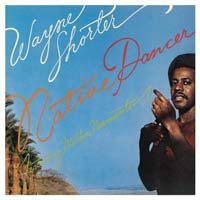 1990Native Dancer
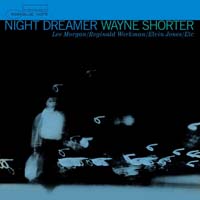 1987Night Dreamer
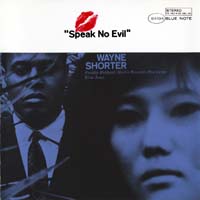 1965Speak No Evil