ALBUM NOTESListening to War Child by Jethro Tull-War Child
Album overview
"War Child," the sixth studio album by the British rock band Jethro Tull, was released on October 28, 1974, through Chrysalis Records. This album emerged during a turbulent time marked by the socio-political climate surrounding the Vietnam War and its aftermath. The recording sessions took place at the Château d'Hérouville in France, where the band sought to craft a sound that fused rock with orchestral elements. The album showcased the creative prowess of frontman Ian Anderson, who served as the principal songwriter and flautist.
"War Child" features notable tracks such as "War Child," "Queen and Country," and "Bungle in the Jungle," the latter of which became a significant hit. The album also includes orchestral arrangements that were conducted by David Palmer, adding depth to the band's signature sound. The production was handled by Anderson and engineer John Burns, known for their work on previous Tull albums. Thematically, the album reflects on the horrors of war, the innocence lost, and a critique of societal norms. "War Child" was received with mixed reviews upon its release but has since been reassessed positively, viewed as an important part of Jethro Tull's discography that bridges the gap between their earlier folk-rock roots and the more elaborate rock compositions that followed.
Review
"War Child" stands out in Jethro Tull's catalog as a bold exploration of thematic complexity intertwined with intricate musicality. The album's sound is characterized by a blend of progressive rock and folk influences, with Ian Anderson's distinctive flute work leading the charge. Tracks like "Bungle in the Jungle" offer catchy hooks and a playful attitude, while the title track provides a stark contrast with its somber tone and lyrical depth. The juxtaposition of upbeat melodies with poignant lyrics reflects Anderson's artistic vision to engage listeners in a dialogue about the realities of war and peace.
The album’s orchestration, brought to life by David Palmer, enriches the overall sound, elevating the arrangements from mere rock compositions to a more cinematic experience. However, some critics argue that the orchestral elements occasionally overshadow the band's core rock identity, leading to uneven moments throughout the album. Despite this, "War Child" remains a significant work that captures the band's evolution during the 1970s, navigating through cultural and musical landscapes with both ambition and artistry.
Highlights
- Intricate flute melodies and Ian Anderson's distinctive vocal delivery.
- Strong lyrical themes that address war and societal issues.
- Effective blending of rock and orchestral arrangements, creating a unique soundscape.
Weak points
- Some tracks may feel overshadowed by the orchestral elements.
- Mixed critical reception at the time of release, leading to initial underappreciation.
- Inconsistent flow between tracks, which may disrupt the listening experience.
Overall evaluation
"War Child" is a thought-provoking and musically ambitious album that encapsulates Jethro Tull's ability to blend rock with deeper themes. While it may have faced criticism upon release, it has since gained recognition for its artistic merit and cultural relevance.
Personal rating: 7.5/10
```

 1999J-Tull Dot Com
 1995Roots to Branches
 1991Catfish Rising
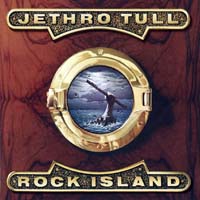 1989Rock Island
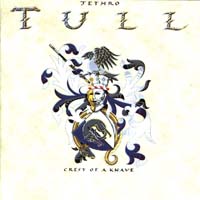 1987Crest of a Knave
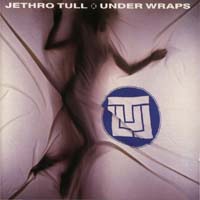 1984Under Wraps
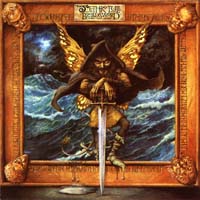 1982The Broadsword and the Beast
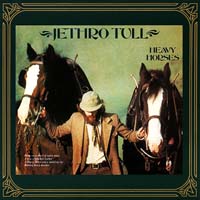 1978Heavy Horses
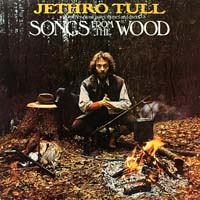 1977Songs From the Wood
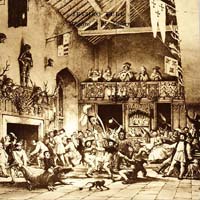 1975Minstrel in the Gallery
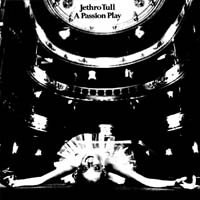 1973A Passion Play
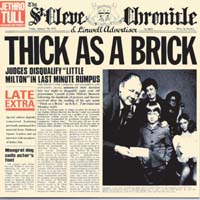 1972Thick as a Brick
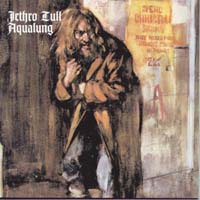 1971Aqualung
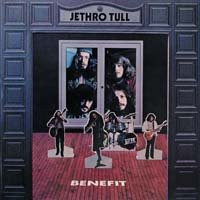 1970Benefit
 1969Stand Up
 1968This Was