ALBUM NOTESUnpacking Jethro Tull-Benefit's Benefit
Album overview
Released in April 1970, "Benefit" is the third studio album by the British progressive rock band Jethro Tull, produced by the band's frontman Ian Anderson along with the renowned producer Terry Ellis. The album was recorded at Morgan Studios in London and released under the Chrysalis Records label. "Benefit" showcases a blend of rock, folk, and blues influences, highlighting the band's unique sound characterized by Anderson's distinctive flute playing and dynamic vocals.
The album features notable tracks such as "Nothing Is Easy," "With You There to Help Me," and "To Cry You a Song," each illustrating the band's intricate musicianship and reflective lyricism. The lyrical themes often explore existential and social issues, resonating with the cultural shifts of the late 1960s and early 1970s. The singles "Nothing Is Easy" and "To Cry You a Song" received considerable airplay and contributed to the band's growing popularity.
"Benefit" marked a significant step in Jethro Tull's evolution, showcasing their transition from a blues-oriented band to pioneers of progressive rock. The album's production quality was a testament to the band's artistic vision, with contributions from other band members, including Martin Barre on guitar and Clive Bunker on drums, further enriching the sound. The record's artwork, featuring a painting by artist David Anstey, complements the album's introspective nature and thematic depth.
Review
"Benefit" stands as a testament to Jethro Tull's innovative spirit, blending rock and folk elements while maintaining a strong lyrical narrative. The opening track, "Nothing Is Easy," sets a vibrant tone with its energetic instrumentation and catchy hooks, drawing listeners in from the outset. Ian Anderson's vocal delivery is both passionate and introspective, effectively conveying the album's themes of uncertainty and reflection.
Musically, the album showcases an impressive range of styles, from the haunting melodies of "To Cry You a Song" to the more upbeat and playful "With You There to Help Me." The interplay between Anderson's flute and Barre's guitar creates a rich tapestry of sound that is both complex and accessible. Lyrically, the album delves into personal and societal struggles, capturing the zeitgeist of an era marked by tumult and change.
However, while the album is a strong representation of Jethro Tull's early sound, it occasionally feels overshadowed by their subsequent releases. Nevertheless, "Benefit" remains a crucial chapter in their discography, demonstrating their artistic growth and ambition.
Highlights
- Innovative blend of rock, folk, and blues.
- Strong lyrical themes that resonate with the era's cultural shifts.
- Impressive musicianship, particularly in flute and guitar interplay.
Weak points
- Occasional overshadowing by later, more iconic releases.
- Some tracks may feel less cohesive compared to later albums.
- Limited mainstream recognition despite critical acclaim.
Overall evaluation
Overall, "Benefit" is a significant milestone in Jethro Tull's career, showcasing their unique sound and lyrical depth. While it may not have the same iconic status as their later works, it serves as a crucial stepping stone in their artistic journey.
Personal rating: 8/10
```


 2022The Zealot Gene
 1999J-Tull Dot Com
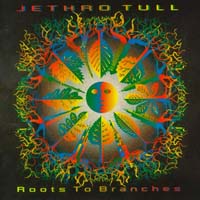 1995Roots to Branches
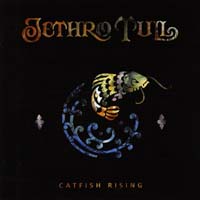 1991Catfish Rising
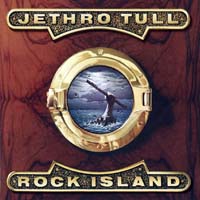 1989Rock Island
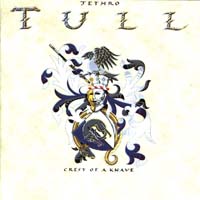 1987Crest of a Knave
 1984Under Wraps
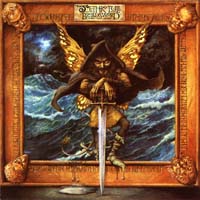 1982The Broadsword and the Beast
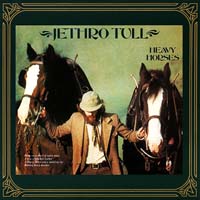 1978Heavy Horses
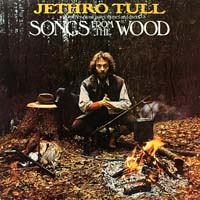 1977Songs From the Wood
 1975Minstrel in the Gallery
 1973A Passion Play
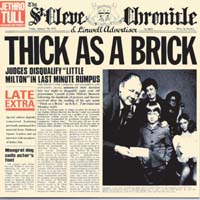 1972Thick as a Brick
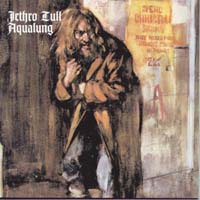 1971Aqualung
 1969Stand Up
 1968This Was