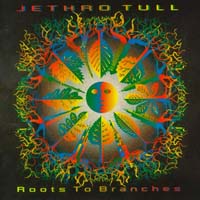
ALBUM NOTESListening to Roots to Branches by Jethro Tull-Roots to Branches
Album overview
"Roots to Branches," the 19th studio album by British progressive rock band Jethro Tull, was released in 1995 under the label Chrysalis Records. The album represents a significant moment in the band's long career, showcasing their ability to evolve while retaining their unique sound. Recorded primarily at the band's own studio, the album features frontman Ian Anderson as the driving creative force, with contributions from other band members including Martin Barre on guitar, Andrew Giddings on keyboards, and Dave Pegg on bass. The album also saw the return of former member Gerry Conway on drums.
"Roots to Branches" consists of 12 tracks, including notable singles like "Roots to Branches" and "The Dog-Ear Years." Musically, the album blends elements of rock, folk, and world music, reflecting Anderson's interest in incorporating diverse influences into his songwriting. Lyrically, the album explores themes of self-discovery, spirituality, and the connection to one's roots, which is particularly relevant in the context of the mid-90s, a time of significant cultural change. The album's intricate arrangements and Anderson's signature flute playing highlight the band's commitment to musicianship and artistic integrity, making it a noteworthy entry in their discography.
Review
"Roots to Branches" illustrates Jethro Tull's enduring prowess in blending rock with intricate musicality and thoughtful lyrics. The album opens with the title track, which sets a reflective tone, employing a variety of instruments to create a rich auditory tapestry. Ian Anderson's distinctive voice and flute work are front-and-center, driving the emotional weight of the songs.
Tracks like "The Dog-Ear Years" encapsulate a nostalgic longing, while "Out of the Noise" showcases a more upbeat, accessible sound that nods to contemporary musical trends of the time. Lyrically, Anderson's introspective style invites listeners to ponder their own journeys, making the album resonate on a personal level.
However, while the musicality is commendable, some may find the production slightly dated by today's standards. The sound, while rich, occasionally lacks the crispness that modern technology can provide. Overall, "Roots to Branches" is a testament to Jethro Tull's ability to weave complex narratives into their music, though it may not reach the heights of their earlier classics.
Highlights
- Intricate arrangements showcasing a blend of rock and world music influences.
- Thought-provoking lyrics that reflect on self-discovery and spirituality.
- Strong performances from all band members, particularly Ian Anderson's flute work.
Weak points
- Some tracks may feel less impactful compared to the band's earlier work.
- Production quality may seem dated for contemporary listeners.
- Limited commercial success compared to previous albums, which may overshadow its artistic merits.
Overall evaluation
"Roots to Branches" stands as a commendable effort by Jethro Tull that merges their classic sound with fresh influences, showcasing their adaptability over decades. While it may not reach the iconic status of earlier works, it is a worthy listen for fans and newcomers alike.
Personal rating: 7/10
```

 2022The Zealot Gene
 1999J-Tull Dot Com
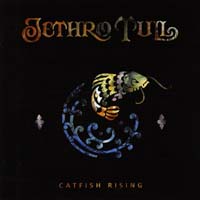 1991Catfish Rising
 1989Rock Island
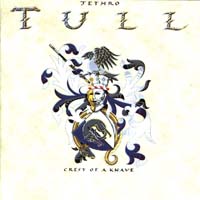 1987Crest of a Knave
 1984Under Wraps
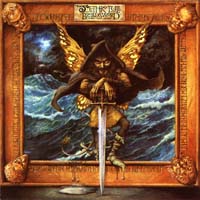 1982The Broadsword and the Beast
 1978Heavy Horses
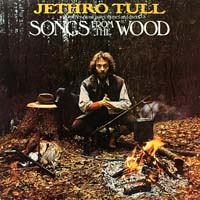 1977Songs From the Wood
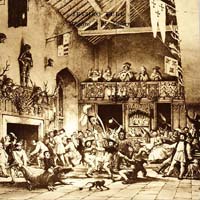 1975Minstrel in the Gallery
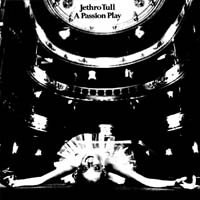 1973A Passion Play
 1972Thick as a Brick
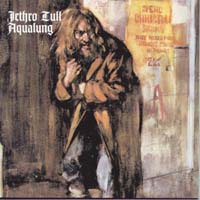 1971Aqualung
 1970Benefit
 1969Stand Up
 1968This Was