

The evolution of Jethro Tull-Stand Up in Stand Up
Album overview
Released on September 20, 1969, "Stand Up" is the second studio album by British progressive rock band Jethro Tull, marking a significant evolution in their sound and style. Produced by Derek Lawrence and released under the Chrysalis Records label, the album features a blend of rock, folk, and blues influences, showcasing the band's distinctive use of flute, played by frontman Ian Anderson. The recording sessions took place at I.B.C. Studios in London, where the band crafted a more cohesive sound compared to their debut album, "This Was." "Stand Up" includes notable tracks such as "Aqualung," "Bouree," and "Nothing Is Easy," which highlight the band's innovative arrangements and poetic lyrics. The album's artwork, featuring a distinctive pop-up design by artist James Grashow, symbolized the band's artistic aspirations. "Stand Up" was a commercial success, reaching No. 1 on the UK Albums Chart and solidifying Jethro Tull's presence in the evolving rock scene of the late '60s. The album is recognized for its cultural significance, reflecting the countercultural movements of the time, and it has influenced countless artists across various genres.
Review
The sound of "Stand Up" is a testament to Jethro Tull's innovative approach to rock music. The intricate flute melodies intertwine with electric guitar riffs, creating a soundscape that is both unique and engaging. Lyrically, the album explores themes of personal reflection, societal issues, and the complexities of human experience, all delivered with Ian Anderson's distinctive vocal style. The artistic vision of the band shines through in tracks like "Locomotive Breath," where the fusion of rock and classical elements creates a powerful listening experience. The album's production, while reflective of its time, showcases a clarity and depth that allows each instrument to be heard distinctly, elevating the overall impact of the music. "Stand Up" represents a pivotal moment in Jethro Tull's career, as they began to move away from traditional rock norms and embraced a more eclectic and progressive sound.
Highlights
- Innovative use of flute and diverse instrumentation.
- Thought-provoking lyrics that resonate with listeners.
- Strong commercial success and cultural impact at the time of release.
Weak points
- Some tracks may feel dated to contemporary listeners.
- Production quality varies across different tracks.
- Lack of consistent thematic cohesion throughout the album.
Overall evaluation
"Stand Up" is a landmark album that showcases Jethro Tull's artistic evolution and their ability to blend genres seamlessly. While it has its weaknesses, the strengths of the album far outweigh them, making it a significant contribution to the progressive rock movement. The album remains a classic for its innovation and lyrical depth.
Personal rating: 8/10 ```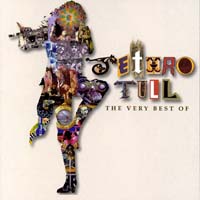 2022The Zealot Gene
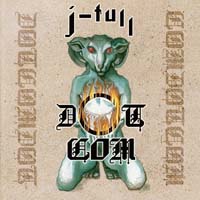 1999J-Tull Dot Com
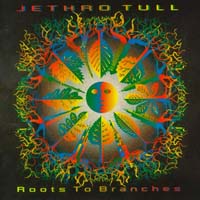 1995Roots to Branches
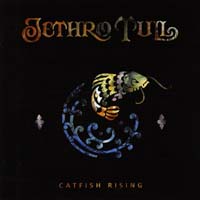 1991Catfish Rising
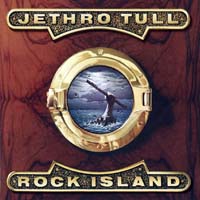 1989Rock Island
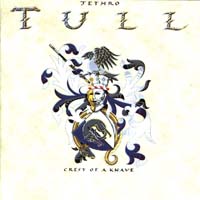 1987Crest of a Knave
 1984Under Wraps
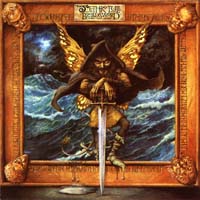 1982The Broadsword and the Beast
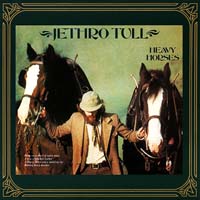 1978Heavy Horses
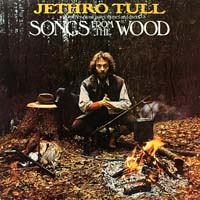 1977Songs From the Wood
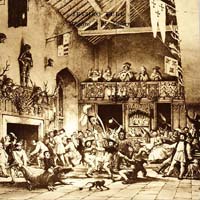 1975Minstrel in the Gallery
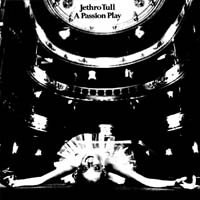 1973A Passion Play
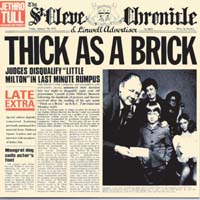 1972Thick as a Brick
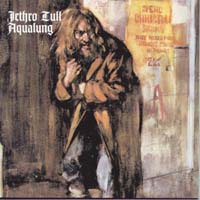 1971Aqualung
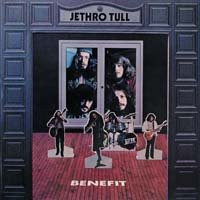 1970Benefit
 1968This Was