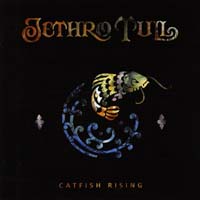
ALBUM NOTESA closer look at Jethro Tull-Catfish Rising's album Catfish Rising
Album overview
Jethro Tull's album "Catfish Rising," released in 1991, marks the band's return to the studio after a five-year hiatus. This album, released under the label Chrysalis Records, continues to showcase the band's signature blend of progressive rock, folk, and blues influences, while also incorporating a more modern sound reflective of the early '90s. The recording took place at the Maison Rouge Studios in London and was produced by the band's frontman Ian Anderson, who also played flute, guitar, and provided lead vocals. The album features a lineup that includes Martin Barre on guitar, Dave Pegg on bass, and Doane Perry on drums, ensuring a dynamic and robust sound throughout its tracks.
The album's content is characterized by themes of change and reflection, with tracks such as "This Free Will," "Sparrow on the Schoolyard Wall," and the title track "Catfish Rising" highlighting a more mature lyrical approach. While the album did not produce significant chart-topping singles, it did receive attention in the progressive rock community and was well-received by fans. "Catfish Rising" is culturally significant as it represents Jethro Tull's evolution in the music landscape of the 1990s, balancing their classic sound with contemporary influences and addressing the shifting dynamics of the music industry.
Review
"Catfish Rising" is a testament to Jethro Tull's enduring artistic vision, encapsulating their unique sound while adapting to the evolving musical landscape of the early '90s. The album opens with "This Free Will," a reflective track that sets the tone for the collection, showcasing Anderson's lyrical introspection and the band's instrumental prowess. The blend of flute melodies with electric guitar riffs is a hallmark of Tull's sound, and it’s evident here in tracks like "Sparrow on the Schoolyard Wall," where the folk influences shine through.
However, while the musicality is strong, some critics argue that the album lacks the innovation and boldness of earlier works like "Aqualung" or "Thick as a Brick." The production is polished, perhaps too much so, which may detract from the raw energy that fans have come to expect from Jethro Tull. Nevertheless, Anderson's lyrics continue to provoke thought, dealing with themes of personal freedom and societal expectations.
Highlights
- Strong musicianship and instrumentation, particularly the flute and guitar interplay.
- Lyrical themes exploring personal freedom and introspection.
- Production quality that reflects a mature sound while retaining classic elements.
Weak points
- Some tracks may feel formulaic compared to the band's earlier experimental works.
- Lack of commercially successful singles may limit mainstream appeal.
- Production may come off as overly polished for some fans of their rawer sound.
Overall evaluation
"Catfish Rising" is a solid entry in Jethro Tull's discography, showcasing their ability to evolve while retaining their signature sound. Though it may not reach the heights of their classic albums, it offers thoughtful lyrics and strong musicianship that will satisfy dedicated fans.
Personal rating: 7/10
```

 2022The Zealot Gene
 1999J-Tull Dot Com
 1995Roots to Branches
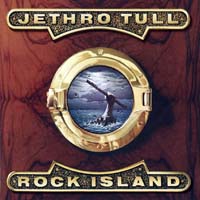 1989Rock Island
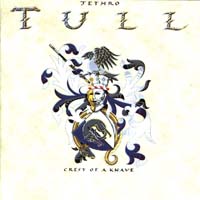 1987Crest of a Knave
 1984Under Wraps
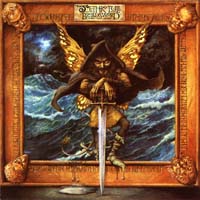 1982The Broadsword and the Beast
 1978Heavy Horses
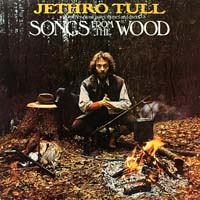 1977Songs From the Wood
 1975Minstrel in the Gallery
 1973A Passion Play
 1972Thick as a Brick
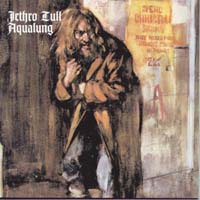 1971Aqualung
 1970Benefit
 1969Stand Up
 1968This Was