

Unpacking Jethro Tull-This Was's This Was
Album overview
"This Was," released on October 25, 1968, marks the debut album of the British progressive rock band Jethro Tull. Released through the iconic label Island Records, the album showcases a unique blend of rock, blues, and folk influences that would later define the band's sound. The recording sessions took place at the famous Sound Techniques studio in London, where the band worked closely with producer Ian Anderson, who also served as the band's frontman and primary songwriter.
The album features tracks like "A Song for Jeffrey," "Some Day the Sun Won't Shine for You," and "Beggar's Farm," with "Living in the Past" emerging as one of the key singles that helped establish the band's reputation. "This Was" is characterized by its innovative use of flute, a signature element of Jethro Tull's sound, brought to life by Anderson's virtuosic playing. The album's lyrical themes often explore introspection, social commentary, and the human experience, providing a glimpse into the band's artistic vision.
Musically, "This Was" is significant for its exploration of blending genres, setting a precedent for future progressive rock albums. The album's release came at a pivotal moment in music history, coinciding with the late 1960s counterculture movement that embraced experimentation in sound and expression. Collaborators on the album included guitarist Mick Abrahams, who contributed to the album's bluesy undertones, solidifying Jethro Tull's identity. Overall, "This Was" represents a foundational work in the evolution of progressive rock, influencing countless artists and bands in the years to come.
Review
The sound of "This Was" is a fascinating amalgamation of blues-infused rock and folk melodies, creating a rich tapestry that stands out even today. The album opens with "My Sunday Feeling," a track that sets the tone with its lively tempo and spirited flute riffs, showcasing Anderson's unique approach to instrumentation. Lyrically, the album delves into themes of personal reflection and societal observations, with tracks like "Some Day the Sun Won't Shine for You" offering a poignant glimpse into the complexities of human emotion.
Anderson's vocals are earnest and evocative, drawing the listener into the narrative woven throughout the tracks. The inclusion of the flute not only adds a distinctive flavor but also serves as a vehicle for Anderson's expressive storytelling. While the production may feel raw compared to more polished albums that followed, it captures the essence of the band's early days, full of energy and experimentation. The interplay between the instruments, particularly the guitar and flute, creates a dynamic soundscape that keeps the listener engaged.
Overall, "This Was" is a strong debut that firmly establishes Jethro Tull's identity while hinting at the innovative paths they would explore in future albums. It may not have the same commercial success as later works, but its artistic vision and musical significance cannot be overstated.
Highlights
- Innovative use of flute and instrumentation.
- Strong lyrical themes of introspection and social commentary.
- Energetic performances that capture the band's raw talent.
Weak points
- Production quality may feel dated to modern listeners.
- Some tracks may lack the cohesiveness found in later albums.
- Limited commercial appeal compared to Jethro Tull's subsequent releases.
Overall evaluation
"This Was" is a compelling debut album that showcases Jethro Tull's unique sound and artistic vision. It captures a moment in music history that paved the way for future experimentation in rock. While it has its imperfections, the album remains a significant contribution to the genre.
Personal rating: 7/10 ``` 2022The Zealot Gene
 1999J-Tull Dot Com
 1995Roots to Branches
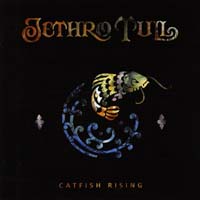 1991Catfish Rising
 1989Rock Island
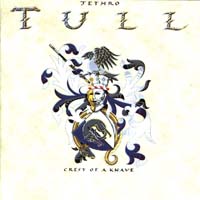 1987Crest of a Knave
 1984Under Wraps
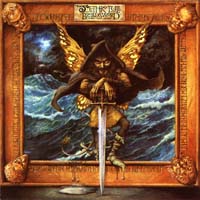 1982The Broadsword and the Beast
 1978Heavy Horses
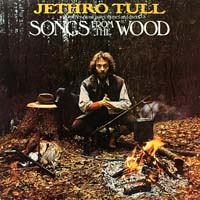 1977Songs From the Wood
 1975Minstrel in the Gallery
 1973A Passion Play
 1972Thick as a Brick
 1971Aqualung
 1970Benefit
 1969Stand Up