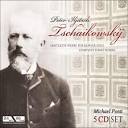
ALBUM NOTESOne week with Violin Concerto: thoughts on Piotr Ilich Tchaikovski
Violin Concerto- Album Overview
The "Violin Concerto in D Major, Op. 35" by Piotr Ilich Tchaikovsky was composed in 1878 and is widely regarded as one of the pinnacle works in the violin repertoire. The concerto premiered in 1881 in Vienna, performed by the virtuoso Leopold Auer, who initially rejected the work due to its technical demands. The concerto is structured in three movements: Allegro moderato, Canzonetta: Andante, and Finale: Allegro vivacissimo, showcasing the violin's expressive range and technical prowess. The piece has been recorded by numerous artists, with notable interpretations by Jascha Heifetz, Itzhak Perlman, and Maxim Vengerov.
The work's thematic development is rich, reflecting Tchaikovsky's emotional depth and mastery of orchestration. It was initially released by the Russian publisher Jurgenson, and its popularity has only grown since then, solidifying its status within the classical canon. The concerto's lyrical melodies and dramatic contrasts make it a favorite in concert halls around the world. The cultural significance of the piece cannot be overstated; it serves as both a technical challenge for violinists and a deeply emotive experience for audiences, often evoking feelings of nostalgia and longing. Over the years, it has also inspired various adaptations and arrangements across different genres, illustrating its enduring impact on the musical landscape.
Review
Tchaikovsky's Violin Concerto is a stunning blend of technical brilliance and emotional depth. The opening movement sets a grand tone with its sweeping melodies and intricate violin passages, immediately captivating the listener. The lyrical second movement offers a contrasting introspection, allowing the soloist to showcase not just technical skill but also emotional nuance. The finale bursts forth with exuberance, encapsulating Tchaikovsky's ability to merge technical challenges with exuberant, infectious themes.
The concerto's orchestration is equally remarkable, with Tchaikovsky masterfully balancing the violin with the orchestra, creating moments of lush harmony. Each movement flows seamlessly into the next, allowing for a cohesive listening experience that showcases the evolution of themes and motifs. The depth of emotion conveyed through the violin often evokes a visceral response, making it a powerful piece that resonates long after the final note.
Highlights
- The lyrical beauty of the second movement creates a poignant contrast to the energetic outer movements.
- Tchaikovsky's orchestration brilliantly highlights the violin's capabilities while maintaining an engaging dialogue with the orchestra.
- The technical demands of the concerto provide a thrilling challenge for performers, showcasing their virtuosity.
Weak points
- The concerto’s technical demands may alienate less experienced violinists or those not prepared for its challenges.
- Some listeners might find the emotional intensity overwhelming or overly dramatic.
- As a staple of the violin repertoire, it runs the risk of becoming predictable for those who hear it frequently.
Overall evaluation
Tchaikovsky's Violin Concerto remains a monumental work in the classical canon, celebrated for its emotional depth and technical brilliance. It continues to inspire and challenge violinists while captivating audiences with its profound musicality.
Personal rating: 9/10