
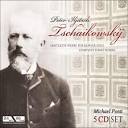
Listening to Konzert Für Violine Und Orchester D-dur, Op. 35 by Piotr Ilich Tchaikovski
Konzert Für Violine Und Orchester D-dur, Op. 35- Album Overview
Konzert Für Violine Und Orchester D-dur, Op. 35, composed by Piotr Ilich Tchaikovsky in 1878, stands as one of the most celebrated violin concertos in the classical music repertoire. Initially premiered by the great violinist Leopold Auer, the piece faced mixed reviews at its debut, yet it quickly gained acclaim for its emotional depth and technical brilliance. The concerto is structured in three movements: the lively Allegro moderato, the heartfelt Canzonetta, and the vigorous Finale. Tchaikovsky's work showcases the violin's lyrical capabilities, intricately weaving between moments of passion and technical virtuosity. The recording of this piece has seen numerous interpretations over the years, with various esteemed orchestras and soloists contributing to its legacy. Notable recordings include those by violinists like Jascha Heifetz, Itzhak Perlman, and Anne-Sophie Mutter, each bringing their unique approach to the concerto. The piece has been released under several labels, including Deutsche Grammophon and EMI, contributing to its widespread availability and enduring popularity. Culturally, Tchaikovsky's Violin Concerto represents a pivotal moment in the Romantic era of music, reflecting both the personal struggles of the composer and the broader artistic movements of the time. It encapsulates the emotional expressiveness that characterizes much of Tchaikovsky's work, making it a staple in the concert repertoire around the world.
Review
Tchaikovsky's Konzert Für Violine Und Orchester D-dur, Op. 35 is not just a showcase of technical prowess but also an emotional journey. The violin's opening theme in the Allegro moderato is bold and soaring, immediately capturing listeners' attention. The orchestration is lush, with the strings providing a rich backdrop to the violin's lyrical lines. The dialogue between the soloist and the orchestra is compelling, with each movement complementing the other beautifully. The second movement, Canzonetta, provides a stark contrast with its introspective and melancholic character, allowing for a moment of reflection amidst the more vigorous passages. Here, the violin's expressiveness shines, conveying a deep sense of yearning and poignancy. Finally, the Finale explodes with energy, showcasing the violin's agility and the orchestra's rhythmic drive, culminating in a joyful and triumphant conclusion. Tchaikovsky's ability to blend technical demands with profound emotional narratives solidifies this concerto's place as a masterpiece. While the piece's technical requirements can be daunting, its emotional core remains accessible, making it a favorite among both performers and audiences alike.
Highlights
- The lyrical beauty and emotional depth of the Canzonetta movement.
- The vibrant interplay between the solo violin and orchestra throughout the concerto.
- The technical brilliance required from the violinist, showcasing the instrument's full range.
Weak points
- The initial reception of the concerto was mixed, which may deter some listeners from appreciating its depth.
- Some contemporary interpretations may prioritize technicality over emotional expression.
- The length of the concerto may be daunting for casual listeners unfamiliar with classical music.
Overall evaluation
Konzert Für Violine Und Orchester D-dur, Op. 35 is a monumental work that continues to resonate with audiences around the world. Its combination of technical brilliance and emotional depth creates a rich listening experience that captivates both classical music aficionados and newcomers alike.
Personal rating: 9/10