
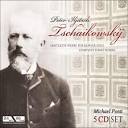
Why Piotr Ilich Tchaikovski's Konzert Für Klavier Und Orchester Nr. 1 B-moll, Op matters
Konzert Für Klavier Und Orchester Nr. 1 B-moll, Op- Album Overview
Piotr Ilich Tchaikovsky's "Konzert Für Klavier Und Orchester Nr. 1 B-moll, Op. 23" was composed in 1874 and is among the most celebrated works in the classical piano repertoire. This concerto marked Tchaikovsky's first major foray into the genre and was premiered in Boston in 1875, with the composer himself conducting. Initially met with criticism, the piece has since gained acclaim for its emotional depth and technical demands on the soloist. The concerto is structured in three movements: Allegro non troppo, Andantino semplice, and Allegro con fuoco. Each movement showcases the evolving motifs and intricate interplay between the piano and orchestra, highlighting Tchaikovsky's ability to blend lyrical and dramatic elements. The concerto was published by the Russian music publisher Jurgenson and has since been recorded by numerous renowned pianists, including Sergei Rachmaninoff and Martha Argerich. Its cultural significance is immense, as it paved the way for future compositions within the romantic concerto tradition and has influenced countless musicians. The work is often performed in concert halls worldwide, solidifying its status as a staple in the classical music canon.
Review
Tchaikovsky's "Konzert Für Klavier Und Orchester Nr. 1" is a brilliant amalgamation of virtuosity and emotional expressiveness. From the iconic opening chords that immediately capture the listener's attention, the concerto establishes an atmosphere that is both grand and intimate. The piano's role is not merely that of a soloist but rather a compelling voice within an orchestral dialogue. The lyrical themes are beautifully crafted, particularly in the Andantino semplice, where the interplay between the piano and the woodwinds creates a moment of serene reflection. However, it is the finale, Allegro con fuoco, that showcases Tchaikovsky's flair for drama and excitement, making it a favorite in concert repertoires. The work transcends mere technical prowess; it is an emotional journey that invites the audience to experience a spectrum of feelings, from melancholy to exuberance. Tchaikovsky's masterful use of orchestration complements the piano brilliantly, enriching the overall sound while allowing the soloist to shine.
Highlights
- Iconic opening chords that draw immediate attention.
- Emotional depth and lyrical beauty, especially in the second movement.
- Masterful orchestration that enhances the piano's role.
Weak points
- Initial reception was lukewarm, leading to some historical overshadowing.
- Some may find the technical demands daunting for performers.
- Over-familiarity in concert settings can diminish its impact.
Overall evaluation
Tchaikovsky's "Konzert Für Klavier Und Orchester Nr. 1" is not only a cornerstone of the piano repertoire but also a work that has evolved in its appreciation over time. Its combination of technical brilliance and profound emotion ensures its lasting legacy in classical music. The concerto remains a powerful testament to Tchaikovsky's genius and a must-listen for both classical music aficionados and newcomers alike.
Personal rating: 9/10