

To Our Children’s Children’s Children: the next chapter for The Moody Blues
To Our Children’s Children’s Children- Album Overview
The Moody Blues' "To Our Children’s Children’s Children," released in 1969, marks a significant chapter in the band's storied career. This album, the band's fifth studio effort, showcases their continued evolution in the realm of progressive rock, blending orchestral arrangements with poetic lyrics. Released by Threshold Records, the album was produced by the band themselves, reflecting their desire for artistic control and independence. The recording sessions took place at Decca Studios in London, where the band experimented with various sounds, including the use of the Mellotron, which became synonymous with their style.
This concept album is a meditation on childhood and the passage of time, featuring notable tracks like "Isn't Life Strange," which became a single and showcases the band's signature blend of introspective lyrics and lush instrumentation. The album also includes tracks like "The Voyage" and "Out and In," showcasing the band's knack for melding storytelling with complex melodies and harmonies. The cover art, designed by Phil Travers, further encapsulates the themes of exploration and wonder that permeate the album.
Culturally, "To Our Children’s Children’s Children" reflects the zeitgeist of the late 1960s, a period marked by social upheaval and a quest for meaning. The album's themes resonate with the era's counterculture movement, making it a significant contribution to the progressive rock genre. It solidified The Moody Blues' reputation as innovators, blending rock with classical elements and lyrical depth.
Review
The lyrical content often reflects a deep sense of nostalgia and contemplation, particularly in tracks like "Isn't Life Strange." The blend of philosophical musings with accessible melodies allows the band to connect with listeners on multiple levels. The artistic vision of the album is ambitious; it not only seeks to entertain but also to provoke thought about the future and the legacy we leave for our children.
While the album may be a bit long-winded for some, with its sprawling arrangements and extended instrumental sections, it ultimately rewards patient listeners. The Moody Blues effectively create a sonic landscape that feels both timeless and relevant, making this album a standout in their discography.
Highlights
- The lush orchestration and innovative use of the Mellotron enhance the album’s sound.
- Powerful and introspective lyrics that resonate with listeners across generations.
- The seamless blend of rock and classical elements showcases the band’s artistic ambition.
Weak points
- Some tracks may feel overly lengthy or meandering for modern listeners.
- A few songs lack the immediate catchiness of earlier hits, requiring more time to appreciate.
- The album's ambitious nature might overwhelm listeners seeking straightforward rock music.
Overall evaluation
"To Our Children’s Children’s Children" stands as a testament to The Moody Blues' artistic vision and musical prowess. It invites listeners to reflect on life’s deeper meanings while providing a sonically rich experience. This album not only solidified their legacy but also continues to influence artists to this day.
Personal rating: 8/10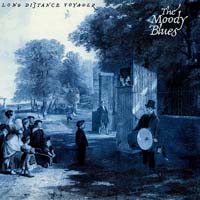 1981Long Distance Voyager
 1972Seventh Sojourn
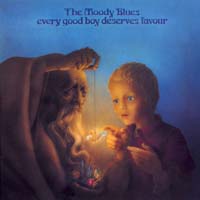 1971Every Good Boy Deserves Favour
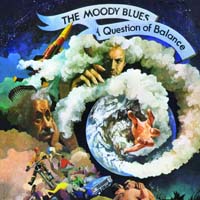 1970A Question of Balance
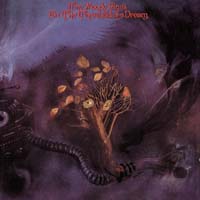 1969On the Threshold of a Dream
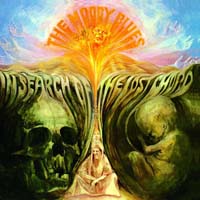 1968In Search of the Lost Chord
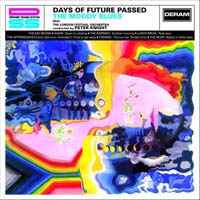 1967Days of Future Passed