

The Other Side of Life: what The Moody Blues wants you to feel
The Other Side of Life- Album Overview
"The Other Side of Life," released in 1986, marks a significant chapter in The Moody Blues' discography. This album, the band's ninth studio effort, was produced by the legendary Tony Visconti and released under the Threshold Records label. The recording sessions took place in various studios, including the famed Abbey Road Studios, known for its iconic history in the music industry. The album features a blend of rock, pop, and symphonic elements that characterized the band's sound, though it also incorporates a more contemporary 1980s production style, reflecting the evolving musical landscape of the era.
The album includes notable tracks such as "Your Wildest Dreams" and "I Know You're Out There Somewhere," both of which became successful singles, charting well in various countries. The lyrics, primarily penned by Justin Hayward, explore themes of love, longing, and introspection, which resonate deeply with listeners. "The Other Side of Life" also saw the return of original members, including Hayward, John Lodge, and Graeme Edge, reinforcing the band's signature sound while embracing new influences.
Culturally, the album captures a transitional period for The Moody Blues as they navigated the changing tides of music in the 1980s. Its electronic influences and polished production values reflect the era's trends, while still retaining the band's classic melodic and lyrical sensibilities. The release of the album helped to introduce The Moody Blues to a new generation of fans, further solidifying their legacy in rock history.
Review
The sound of "The Other Side of Life" is emblematic of the mid-1980s, characterized by lush synthesizers and polished production that can sometimes overshadow the band's more organic roots. However, the album successfully marries these modern elements with The Moody Blues' signature orchestral arrangements and poetic lyricism. Tracks like "Your Wildest Dreams" showcase the band’s ability to craft poignant narratives, while the vibrant instrumentation evokes a sense of nostalgia and yearning.
Lyrically, the album delves into the complexities of love and time, with Hayward's reflective storytelling encouraging listeners to ponder their own experiences. The artistic vision remains intact, as the band continues to explore existential themes, albeit through a lens that feels distinctly of its time. While some purists may long for the earlier, more symphonic sound of their classic albums, "The Other Side of Life" presents an admirable evolution that still retains the essence of what made The Moody Blues so beloved.
Highlights
- Strong lyrical themes of love and introspection.
- Memorable melodies that resonate with both new and longtime fans.
- Sophisticated production that reflects the era while showcasing the band's classic sound.
Weak points
- Some tracks may feel overly polished, losing the raw energy of earlier works.
- Occasional reliance on synthesizers may not appeal to all fans of their classic style.
- Limited exploration of musical diversity compared to previous albums.
Overall evaluation
"The Other Side of Life" is a thoughtful and engaging album that encapsulates The Moody Blues' journey through the 1980s. While it may not resonate with every fan of their earlier, more symphonic work, it offers a fresh perspective on timeless themes, making it a noteworthy addition to their legacy.
Personal rating: 7/10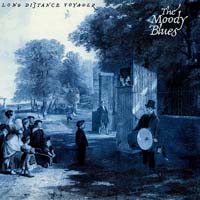 1981Long Distance Voyager
 1972Seventh Sojourn
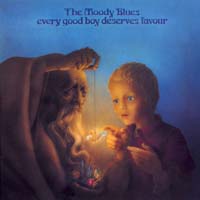 1971Every Good Boy Deserves Favour
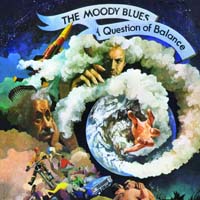 1970A Question of Balance
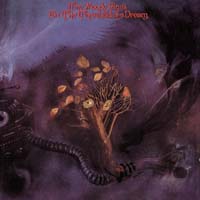 1969On the Threshold of a Dream
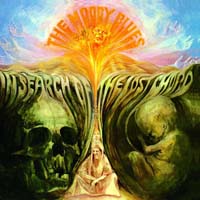 1968In Search of the Lost Chord
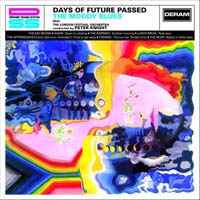 1967Days of Future Passed