

The Magnificent Moodies: what The Moody Blues wants you to feel
The Magnificent Moodies- Album Overview
"The Magnificent Moodies," released in 1965, is the debut album by the English rock band The Moody Blues. The album was produced under the Decca Records label and marks a significant moment in the band's transition from their early rhythm and blues roots to a more progressive sound that would characterize their later works. The recording sessions took place at the famed Decca Studios in London, where the band, originally formed in 1964, began to craft their unique identity. The lineup featured Denny Laine, Mike Pinder, Ray Thomas, Graeme Edge, and Clint Warwick, each contributing to the album’s distinct sound.
The album includes notable tracks such as the hit single "Go Now," which showcases Laine's powerful vocals and was instrumental in gaining the band initial recognition. Other tracks like "Lose Your Money" and "I Don't Want to Go On Without You" reflect the band’s R&B influences, while "Nights in White Satin," although not included in this album, would later define their sound. "The Magnificent Moodies" is considered a pivotal release in the British rock scene, encapsulating the transition from the raw energy of R&B to the more sophisticated sounds that would come to be associated with the band in their later works, such as the orchestral arrangements and philosophical lyrics. The album serves as a snapshot of the era, capturing the essence of 1960s British youth culture and musical experimentation.
Review
The sound of "The Magnificent Moodies" is a fascinating blend of traditional rhythm and blues with emerging psychedelic influences. The album opens with the energetic "Go Now," which sets a high bar for vocal performance and emotional depth. Laine's poignant delivery is a highlight, and the instrumental backing, driven by Pinder's keyboards and Thomas's flute, adds a rich texture to the sound. While the album leans heavily on its R&B roots, tracks like "I've Got a Dream" hint at the band's future explorations into more complex arrangements and philosophical themes. The lyrics, while rooted in love and longing, often reflect a deeper existential contemplation, setting the stage for the band's evolution into more ambitious storytelling. Overall, the album feels like a bridge between the rawness of early rock and the more refined, introspective sounds that would soon define the genre.
Highlights
- Powerful vocal performance by Denny Laine, particularly on "Go Now."
- Rich instrumental arrangements that showcase the band's musical talent.
- Significant cultural contribution as a precursor to the band's later, more progressive works.
Weak points
- Some tracks feel uneven compared to the standout singles.
- The production quality reflects its era, occasionally feeling dated.
- Lacks the cohesive thematic depth found in their later albums.
Overall evaluation
"The Magnificent Moodies" is a compelling introduction to The Moody Blues, capturing the essence of their early sound while hinting at the band's future potential. It serves as a historical artifact, showcasing the transition in British rock music during the mid-1960s. While it may not achieve the same level of acclaim as their later masterpieces, it undeniably lays the groundwork for the band’s evolution.
Personal rating: 7/10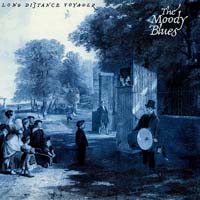 1981Long Distance Voyager
 1972Seventh Sojourn
 1971Every Good Boy Deserves Favour
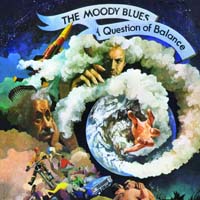 1970A Question of Balance
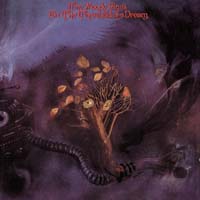 1969On the Threshold of a Dream
 1968In Search of the Lost Chord
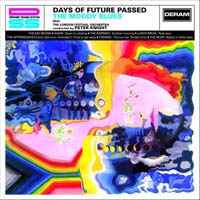 1967Days of Future Passed