
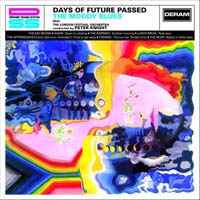
The Moody Blues experiments boldly on Days of Future Passed
Days of Future Passed- Album Overview
Released in 1967, "Days of Future Passed" is a groundbreaking concept album by the English rock band The Moody Blues. It was the band's second album, and their first to feature orchestral elements, which marked a significant shift in their musical direction. Produced by Tony Clarke, the album was released under the Threshold Records label, a new venture created by the band in collaboration with Decca Records. The album's concept revolves around the passage of time and the journey from day to night, effectively blending rock music with classical orchestration, a pioneering move for its time.
The recording sessions took place at Decca Studios in London, where The Moody Blues worked with the London Festival Orchestra, conducted by Peter Knight. This collaboration resulted in a seamless integration of rock and orchestral music, setting the standard for future symphonic rock acts. The album features memorable tracks such as "Nights in White Satin," which became a massive hit and remains one of the band's signature songs. Other standout tracks include "Tuesday Afternoon" and "Peak Hour," each showcasing the band's unique sound and lyrical depth.
Musically, "Days of Future Passed" embodies a blend of progressive rock, orchestral pop, and psychedelic influences, making it a cultural cornerstone of the late 1960s. The album's innovative use of the Mellotron, an early keyboard instrument, created lush soundscapes that added to its ethereal quality. Released in the midst of the counterculture movement, the album resonated deeply with listeners seeking profound musical experiences, solidifying The Moody Blues' place in music history.
Review
"Days of Future Passed" stands as a testament to The Moody Blues' artistic vision, merging poetic lyrics with rich instrumentation. The album opens with the orchestral overture "The Day Begins," setting a sophisticated tone that is maintained throughout. The juxtaposition of rock and classical elements creates a unique sound that is both introspective and expansive. The lyrics explore themes of love, time, and existential reflection, often delivered with a haunting vocal style that enhances the emotive quality of the music.
The standout track, "Nights in White Satin," encapsulates the album's essence with its lush orchestral arrangement and poignant lyrics. The song's melancholic beauty has earned it a timeless quality, resonating with generations of listeners. While some tracks may feel dated by today's standards, the overall production remains impressive, showcasing the band's ambition and willingness to experiment. The Moody Blues successfully crafted an album that not only pushed musical boundaries but also resonated emotionally, making it a significant work of art in the annals of rock music.
Highlights
- Innovative blend of rock and orchestral music.
- Timeless hit "Nights in White Satin" and its emotional depth.
- Thought-provoking lyrics that explore existential themes.
Weak points
- Some tracks may feel slower or less engaging to modern audiences.
- The orchestration can occasionally overshadow the band's rock elements.
- Production techniques may sound dated compared to contemporary standards.
Overall evaluation
"Days of Future Passed" is a landmark album that paved the way for future experimental rock projects. It remains a significant cultural artifact that highlights The Moody Blues' innovative spirit and artistic vision. While it has its flaws, the album's strengths far outweigh them, making it a must-listen for fans of classic rock and progressive music.
Personal rating: 8/10 2003December
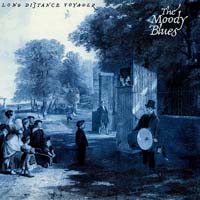 1981Long Distance Voyager
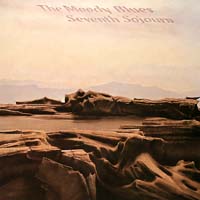 1972Seventh Sojourn
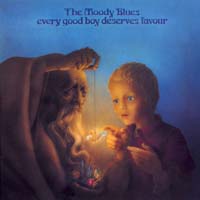 1971Every Good Boy Deserves Favour
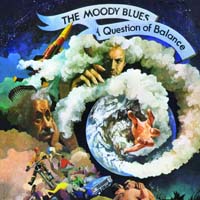 1970A Question of Balance
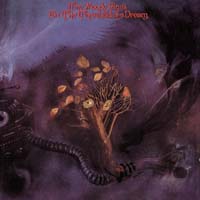 1969On the Threshold of a Dream
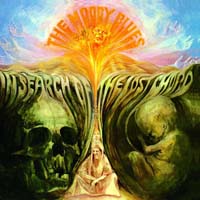 1968In Search of the Lost Chord