

Diving deep into Octave by The Moody Blues
Octave- Album Overview
"Octave" is the ninth studio album by the iconic British rock band The Moody Blues, released in 1978. This marks a significant moment in the band's history as it was their first album after a five-year hiatus and the first to feature new member Patrick Moraz on keyboards, following the departure of Mike Pinder. Produced by the band themselves along with engineer Tony Visconti, "Octave" was released under the Threshold Records label. The album reflects a blend of progressive rock, symphonic rock, and elements of pop, characteristic of the Moody Blues' sound, yet it also showcases a shift towards more contemporary influences of the late 1970s. The recording sessions took place at the band's newly established studio in the UK. "Octave" features a total of eight tracks, including the singles "I’m Your Man" and "Steppin' in a Slide Zone," both of which received moderate airplay and contributed to the album's overall success. The album artwork, designed by the renowned artist Phil Smee, encapsulates the ethereal and introspective essence of the band's music. Musically, "Octave" incorporates lush orchestral arrangements, harmonious vocals, and intricate lyrics, exploring themes of love, existentialism, and the passage of time. The album is notable not only for its melodic richness but also for the band's continued evolution in composition and sound. Despite mixed reviews upon its release, "Octave" has since gained appreciation for its artistry and experimentation, marking a pivotal point in The Moody Blues' legacy.
Review
The overall sound of "Octave" is a testament to The Moody Blues' ability to blend innovative rock elements with orchestral textures. The lush arrangements, driven by Moraz's keyboard work, provide a fresh layer to the band's established sound. Tracks like "Steppin' in a Slide Zone" demonstrate the band's knack for crafting catchy melodies while still maintaining a philosophical depth in their lyrics. The interplay of vocals between Justin Hayward and John Lodge adds a familiar warmth, inviting listeners into a contemplative space. Lyrically, the album navigates through themes of human experience, echoing the band's trademark introspection. However, some critics have pointed out that the songwriting, while competent, occasionally lacks the lyrical poignancy found in earlier works. The artistic vision here seems to strive for a balance between modernity and the band's classic sound, which, although ambitious, can lead to a sense of disconnection in some tracks. Overall, "Octave" serves as a bridge between the band's storied past and its future direction, showcasing their resilience and adaptability in a changing musical landscape.
Highlights
- Engaging orchestral arrangements that enhance the band's signature sound.
- Strong vocal performances from Justin Hayward and John Lodge.
- A bold step into new musical territory with the inclusion of Patrick Moraz.
Weak points
- Some tracks may feel less impactful compared to the band's earlier classics.
- The production style may not resonate with all long-time fans.
- Lyrical depth varies, with some songs lacking the philosophical richness of previous works.
Overall evaluation
"Octave" stands as a noteworthy entry in The Moody Blues' discography, showcasing their evolution while navigating the musical trends of the late 1970s. Though it may not reach the heights of their earlier masterpieces, it offers a unique listening experience that deserves recognition.
Personal rating: 7/10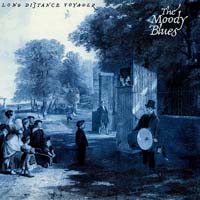 1981Long Distance Voyager
 1972Seventh Sojourn
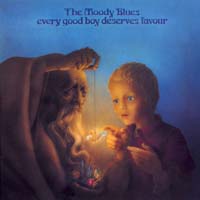 1971Every Good Boy Deserves Favour
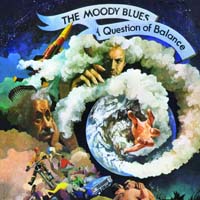 1970A Question of Balance
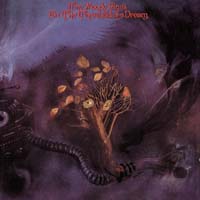 1969On the Threshold of a Dream
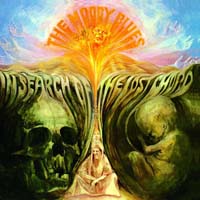 1968In Search of the Lost Chord
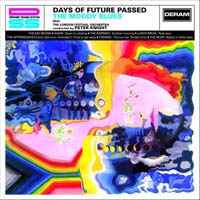 1967Days of Future Passed