Seventh Sojourn- Album Overview
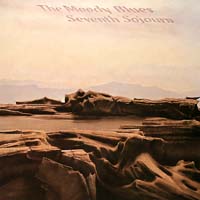
Seventh Sojourn, the seventh studio album by the British rock band The Moody Blues, was released on November 5, 1972, through the Threshold Records label. Marking a significant moment in the band's discography, this album showcases their continued exploration of progressive rock and symphonic elements, building on the distinctive sound that characterized their earlier works. Produced by the band alongside Tony Clarke, Seventh Sojourn is notable for its lush orchestration and introspective lyrics, a hallmark of the Moody Blues' style. The album features a lineup of members including Justin Hayward, John Lodge, Graeme Edge, and Ray Thomas, who collaborated on both the songwriting and instrumentation.
The album spawned two successful singles: "Isn't Life Strange," which reached number 29 on the Billboard Hot 100, and "I'm Just a Singer (In a Rock and Roll Band)," which peaked at number 36. Thematically, Seventh Sojourn delves into concepts of love, existentialism, and the passage of time, reflecting the band's philosophical outlook during the early 1970s. The album's orchestral arrangements, blended with rock instrumentation, create a rich soundscape that invites listeners to ponder deeper meanings. Despite the band's growing popularity, Seventh Sojourn would be their last studio album before a lengthy hiatus, marking a transitional phase in their career and leaving a lasting impact on the progressive rock genre.
Review
Seventh Sojourn stands as a testament to The Moody Blues' artistic vision, marrying rock music with orchestral sophistication. The opening track, "Isn't Life Strange," sets the tone for an album that questions the nature of existence and the complexities of human emotion, supported by haunting melodies and lush arrangements. The lyrical depth found in tracks like "You and Me" and the poignant reflections in "The Day We Meet Again" showcase the band's ability to blend personal storytelling with broader existential themes.
Musically, the album integrates rich harmonies and intricate instrumentation, utilizing strings and flutes to evoke a sense of grandeur that complements the introspective lyrics. The production is polished, yet maintains an organic feel that enhances the emotional weight of the songs. However, some critics argue that the overall pacing might feel uneven, with moments of introspection occasionally leading to a more subdued listening experience. Regardless, Seventh Sojourn encapsulates a pivotal moment for The Moody Blues, illustrating their evolution while still resonating with the thematic depth that has defined their legacy.
Highlights
- The orchestral arrangement enriches the sound, creating a lush listening experience.
- Strong lyrical themes that explore love, existence, and the human condition.
- Memorable singles like "Isn't Life Strange" showcase the band's commercial appeal while maintaining artistic integrity.
Weak points
- Some tracks may feel slower-paced, potentially losing momentum for casual listeners.
- The album's philosophical themes may not resonate with all audiences, limiting its commercial appeal.
- As the last album before a hiatus, it leaves a sense of unfulfilled potential for further exploration.
Overall evaluation
Seventh Sojourn is a compelling chapter in The Moody Blues' storied career, blending intricate musicality with profound lyrical content. While it may not capture the same widespread acclaim as some of their earlier works, it remains a significant album that reflects the band's artistic depth and evolution.
Personal rating: 8/10

 2003December
 1981Long Distance Voyager
 1971Every Good Boy Deserves Favour
 1970A Question of Balance
 1969On the Threshold of a Dream
 1968In Search of the Lost Chord
 1967Days of Future Passed