
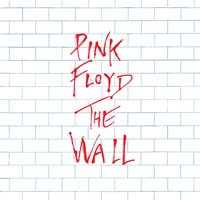
Pink Floyd – The Wall: track-by-track perspective
The Wall- Album Overview
"The Wall," released on November 30, 1979, is the eleventh studio album by the iconic British rock band Pink Floyd. The album was produced by Bob Ezrin, David Gilmour, Roger Waters, and James Guthrie, and it was released under the Harvest and Columbia Records labels. "The Wall" is a rock opera that tells the story of Pink, a character based on lead singer Roger Waters's experiences and struggles. The recording sessions took place at various studios, including the Britannia Row Studios in London and the Super Bear Studios in France, and involved extensive collaboration among the band members and additional musicians, including session players like Michael Kamen, who arranged the orchestral segments. The album features a total of 26 tracks, divided into two discs, and is known for its conceptual narrative that explores themes of isolation, abandonment, and the impact of war. The singles "Another Brick in the Wall, Part 2," "Comfortably Numb," and "Run Like Hell" became significant hits, contributing to the album's commercial success. "The Wall" has sold over 30 million copies worldwide, making it one of the best-selling albums of all time. Its cultural significance cannot be overstated, as it resonated with the disillusionment of the era, and its theatrical live performances, including the iconic wall built during shows, left a lasting impact on the music industry and rock culture at large.
Review
The sound of "The Wall" is a remarkable blend of progressive rock and theatrical elements, characterized by its rich instrumental textures and poignant melodies. The album's production quality is immaculate, with layered guitars, orchestral arrangements, and innovative sound effects that enhance the storytelling. Lyrically, Waters delves deep into the psyche of Pink, exploring his fears, insecurities, and the emotional walls he builds to cope with trauma. Tracks like "Comfortably Numb" stand out for their hauntingly beautiful lyrics and soaring guitar solos, while "Another Brick in the Wall, Part 2" critiques the education system with an anthemic chorus that became a rallying cry for youth rebellion. Waters' vision of an existential struggle resonates throughout the album, making it not just a collection of songs, but a cohesive narrative that invites listeners to reflect on their own experiences. The contrast between the somber, introspective tracks and the more aggressive, rock-driven anthems creates a dynamic listening experience that captures the complexity of human emotion and societal pressures.
Highlights
- Exceptional production quality that enhances the album's theatricality.
- Powerful and thought-provoking lyrics that resonate with listeners.
- Memorable melodies and iconic musical moments, particularly in tracks like "Comfortably Numb."
Weak points
- The lengthy runtime may deter casual listeners.
- Some tracks may feel overly theatrical or indulgent.
- The concept may be challenging to grasp without attentive listening.
Overall evaluation
"The Wall" remains a landmark album that solidified Pink Floyd's legacy as pioneers of rock music. Its exploration of complex themes through innovative sound and storytelling is unparalleled. While the album's length and density may pose challenges, its artistic vision and emotional depth make it a profound listening experience.
Personal rating: 9/10 2014The Endless River
 1994The Division Bell
 1987A Momentary Lapse of Reason
 1983The Final Cut
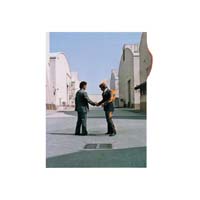 1975Wish You Were Here
 1971Meddle
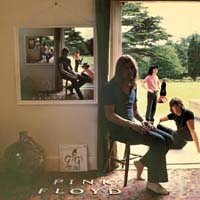 1969Ummagumma
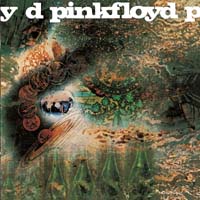 1968A Saucerful of Secrets
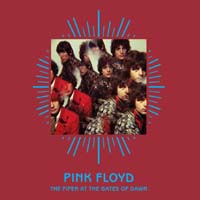 1967The Piper at the Gates of Dawn