
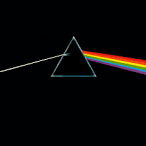
The evolution of Pink Floyd in The Dark Side of the Moon
The Dark Side of the Moon- Album Overview
"The Dark Side of the Moon," released on March 1, 1973, is a seminal album by the British rock band Pink Floyd. Recorded at Abbey Road Studios in London, the album was produced by the band alongside engineer Alan Parsons, marking a significant evolution in their musical style. With a label backing from Harvest Records, the album features a blend of progressive rock, art rock, and psychedelic elements that solidified Pink Floyd's status in the music industry.
The album consists of ten tracks, including iconic songs such as "Time," "Money," and "Us and Them." Lyrically, the album explores themes of mental illness, consumerism, and the human experience, reflecting the band members' personal struggles and philosophies. The innovative use of sound effects, synthesizers, and studio techniques like multitracking and tape looping contributed to its unique soundscape.
"The Dark Side of the Moon" was not only a commercial success, spending an astounding 741 weeks on the Billboard 200 chart, but it also received critical acclaim, often hailed as one of the greatest albums of all time. The iconic album cover, designed by Storm Thorgerson of Hipgnosis, featuring a prism and light spectrum, has become a symbol of the band and the era. The album's cultural significance remains profound, influencing countless artists and genres while also serving as a definitive statement of the 1970s music scene.
Review
The sound of "The Dark Side of the Moon" is a masterful blend of rock, jazz, and electronic music, showcasing Pink Floyd's ability to transcend traditional genre boundaries. Each track flows seamlessly into the next, creating a cohesive narrative that is both introspective and universally relatable. The lyrics, penned largely by Roger Waters, delve into existential themes with a poignancy that resonates deeply with listeners, while the hauntingly beautiful melodies and harmonies elevate the emotional stakes.
The album's artistic vision is highlighted by its innovative use of studio technology, which was groundbreaking for its time. The incorporation of spoken word samples and complex arrangements adds layers to the listening experience, inviting audiences to engage with the music on multiple levels. The powerful instrumentation, combined with Richard Wright's lush keyboards and David Gilmour's soaring guitar solos, crafts an ethereal sound that captures the essence of the human condition.
Highlights
- The seamless flow of the tracks creates an immersive listening experience.
- Innovative use of sound effects and studio techniques enhances the album's depth.
- Thematic exploration of mental health and consumerism resonates across generations.
Weak points
- The album's length may be daunting for casual listeners.
- Some tracks may feel less impactful compared to the standout singles.
- The production style, while innovative, might sound dated to newer listeners.
Overall evaluation
"The Dark Side of the Moon" stands as a monumental achievement in music history, intertwining profound themes with groundbreaking soundscapes. Its influence is undeniable, and it continues to captivate listeners, making it an essential album for anyone exploring the evolution of rock music.
Personal rating: 10/10 2014The Endless River
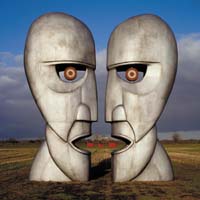 1994The Division Bell
 1983The Final Cut
 1979The Wall
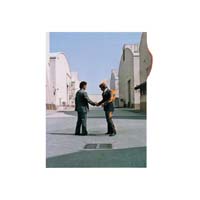 1975Wish You Were Here
 1971Meddle
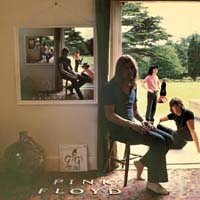 1969Ummagumma
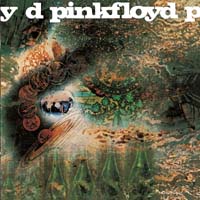 1968A Saucerful of Secrets
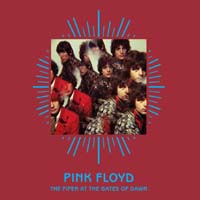 1967The Piper at the Gates of Dawn