
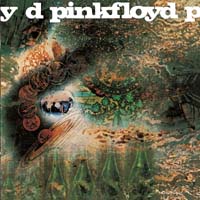
From intro to finale: what A Saucerful of Secrets delivers
A Saucerful of Secrets- Album Overview
"A Saucerful of Secrets," released on June 29, 1968, is the second studio album by the iconic British rock band Pink Floyd. This album marked a significant transition for the band, as it was the first to feature David Gilmour, who joined the group shortly before the album's recording, replacing founding member Syd Barrett. Produced by Norman Smith, the album was released under the Columbia Records label in the UK and Tower Records in the US. The recording sessions took place at Abbey Road Studios, where the band began to explore more experimental sounds and complex arrangements, which would define their later work.
The album features a total of seven tracks, including the notable singles "See Emily Play," which was a chart success, and "Jugband Blues," which showcased Barrett's unique lyrical style as he struggled with his mental health. The title track, "A Saucerful of Secrets," is a sprawling, instrumental piece that epitomizes the band's avant-garde approach, blending rock, psychedelia, and experimental sounds. The album's themes touch on existentialism, the passage of time, and the contrast between reality and illusion, resonating with the cultural shifts of the late 1960s.
Culturally, "A Saucerful of Secrets" holds a significant place in the evolution of progressive rock, laying the groundwork for future albums like "The Dark Side of the Moon" and "Wish You Were Here." Its innovative use of studio techniques and incorporation of non-traditional instruments would influence countless artists and genres, solidifying Pink Floyd's legacy as pioneers of sound experimentation in rock music.
Review
The sound of "A Saucerful of Secrets" is a rich tapestry of psychedelic rock, merging atmospheric soundscapes with intricate musicianship. The album opens with "Let There Be More Light," which sets a cosmic tone with its ethereal guitar work and haunting vocals. As the album progresses, tracks like "Set the Controls for the Heart of the Sun" delve into dark, hypnotic grooves that reflect the band's experimental ethos. Lyrically, the album captures a sense of surrealism and introspection, particularly in Barrett’s contributions, which often blur the line between reality and fantasy.
The artistic vision presented in this album marks a pivotal moment for Pink Floyd, as they began to establish their identity beyond Barrett's shadow. The collaboration among band members is palpable, with Gilmour's guitar work and Rick Wright's keyboards creating a cohesive yet diverse sound. However, the album's fragmented nature can also be seen as a reflection of the band's transitional phase, leading to moments that may feel disjointed to some listeners.
Highlights
- Innovative soundscapes that showcase the band's experimental approach.
- Strong lyrical themes that resonate with the cultural zeitgeist of the 1960s.
- Memorable contributions from Syd Barrett, particularly in "Jugband Blues."
Weak points
- Some tracks may feel incomplete or disjointed due to the band's transitional phase.
- The album's experimental nature may alienate listeners seeking a more traditional rock sound.
- Limited commercial appeal compared to later, more polished works.
Overall evaluation
"A Saucerful of Secrets" is a compelling exploration of the early Pink Floyd sound, encapsulating a moment of change and experimentation. While it may not reach the heights of their most celebrated works, it remains a crucial part of their discography, revealing the band's willingness to push boundaries and explore new artistic territories.
Personal rating: 7/10 2014The Endless River
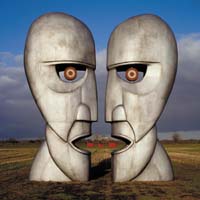 1994The Division Bell
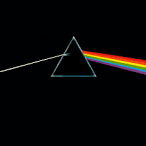 1987A Momentary Lapse of Reason
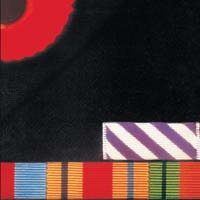 1983The Final Cut
 1979The Wall
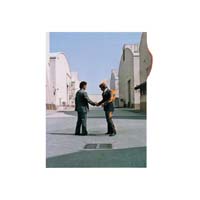 1975Wish You Were Here
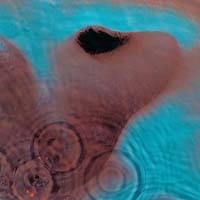 1971Meddle
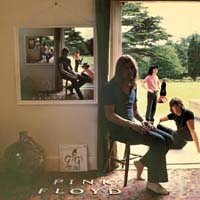 1969Ummagumma
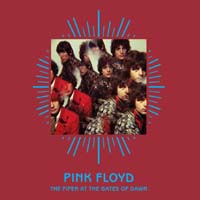 1967The Piper at the Gates of Dawn