
Check the vibes: Pink Floyd – A Momentary Lapse of Reason
A Momentary Lapse of Reason- Album Overview
"A Momentary Lapse of Reason" is Pink Floyd's thirteenth studio album, released on September 7, 1987. This album marked a notable return for the band following the departure of Roger Waters in 1985, and it is often regarded as the first post-Waters work. The album was released under the EMI and Columbia Records labels and was produced by David Gilmour and Bob Ezrin. Recording took place at several locations, including the Britannia Row Studios in London and the A&M Studios in Los Angeles. The album features contributions from various collaborators, such as keyboardist Richard Wright, who played a crucial role in shaping the sound despite being marginalized during the band's earlier years. The album spawned several successful singles, including "Learning to Fly" and "On the Turning Away," which helped to re-establish Pink Floyd’s presence in the music scene. Musically, the album showcases a blend of progressive rock and new wave influences, characterized by Gilmour's soaring guitar solos, atmospheric synths, and contemplative lyrics. Lyrically, the album addresses themes of alienation, loss, and the search for meaning in a modern world. Its cultural significance lies in its role in the evolution of Pink Floyd's sound post-Waters, as well as its commercial success, which helped solidify the band's legacy in the rock genre. The album was well-received, reaching the top of the charts in several countries and earning a place in popular culture through its memorable tracks and distinctive cover art.
Review
The sound of "A Momentary Lapse of Reason" marks a shift in Pink Floyd's sonic landscape, with David Gilmour's guitar at the forefront, delivering both ethereal and powerful passages. The album's production, courtesy of Gilmour and Ezrin, is polished and expansive, creating a rich tapestry of sound that is both inviting and reflective. Lyrically, Gilmour and Wright explore deeply personal themes, often evoking a sense of introspection and existential reflection, reminiscent of earlier Pink Floyd works but with a contemporary twist. While the album does not reach the conceptual heights of "The Dark Side of the Moon" or "Wish You Were Here," it manages to carve out its own identity, driven by a desire to reconnect with listeners after years of turmoil within the band. The singles, particularly "Learning to Fly," resonate with anthemic quality, showcasing Gilmour's knack for melody. However, some critics argue that the absence of Waters' songwriting depth leaves certain tracks feeling less impactful. Overall, "A Momentary Lapse of Reason" stands as a testament to Pink Floyd's resilience, blending nostalgic elements with a fresh perspective that appeals to both longtime fans and new listeners alike.
Highlights
- Strong guitar work by David Gilmour, showcasing his signature style.
- Catchy and memorable singles, particularly "Learning to Fly."
- Rich production that creates an immersive listening experience.
Weak points
- Some tracks lack the conceptual depth of earlier Pink Floyd albums.
- The absence of Roger Waters' lyrical influence is felt in places.
- Occasional reliance on formulaic rock structures.
Overall evaluation
"A Momentary Lapse of Reason" successfully re-establishes Pink Floyd in the music landscape of the late '80s, showcasing a blend of new sounds while reflecting on familiar themes. While it may not reach the heights of their earlier masterpieces, it remains a vital part of the band's discography.
Personal rating: 7/10 2014The Endless River
 1994The Division Bell
 1983The Final Cut
 1979The Wall
 1975Wish You Were Here
 1971Meddle
 1969Ummagumma
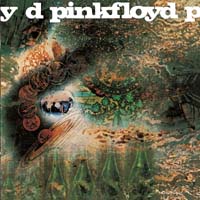 1968A Saucerful of Secrets
 1967The Piper at the Gates of Dawn