ALBUM NOTESA closer look at Pink Floyd's album The Piper at the Gates of Dawn
The Piper at the Gates of Dawn- Album Overview
Pink Floyd's debut album, "The Piper at the Gates of Dawn," was released on August 5, 1967, under the EMI label. This landmark album is often celebrated as a cornerstone of the psychedelic rock genre. Produced by Norman Smith, the recording took place at Abbey Road Studios in London, where the band experimented with innovative recording techniques and sound effects that would define their future work. The album features contributions primarily from founding member Syd Barrett, whose whimsical songwriting and distinctive guitar work permeate the album. The album includes iconic tracks such as "Astronomy Domine," "Interstellar Overdrive," and "The Gnome," which showcase Barrett's surreal and imaginative lyrics.
The album was not only a commercial success, peaking at number 6 on the UK Albums Chart, but it also played a pivotal role in shaping the psychedelic movement in music during the late 1960s. The Piper at the Gates of Dawn is notable for its avant-garde approach and incorporation of non-traditional instruments, such as the Mellotron and various sound effects, which helped to create an otherworldly atmosphere. The title track, inspired by the children's book "The Wind in the Willows," reflects Barrett's love for fantastical storytelling, setting the tone for the band's later explorations of more profound themes. The album's cultural significance is underscored by its influence on countless artists and its enduring legacy within the rock genre.
Review
"The Piper at the Gates of Dawn" is a mesmerizing journey through sound, characterized by its rich textures and experimental flair. Syd Barrett's ethereal vocals and playful yet haunting lyrics draw listeners into a dreamlike landscape, where reality blurs with fantasy. The instrumentation is a brilliant showcase of the band's eclectic style, melding psychedelic sounds with rock foundations. Tracks like "Astronomy Domine" deliver an exhilarating auditory experience, propelled by Roger Waters' rhythmic bass lines and Nick Mason's dynamic drumming. The album's highlight, "Interstellar Overdrive," stands out with its improvisational structure, capturing the essence of the 1960s counterculture.
Lyrically, Barrett's work is both whimsical and poignant, often reflecting a childlike wonder that contrasts sharply with the darker themes that would later dominate Pink Floyd's discography. The artistic vision of the band at this stage is fresh and unrestrained, paving the way for their future explorations into the human psyche and existential musings. While the album may not have the polish of their later works, its raw energy and creativity are undeniably captivating.
Highlights
- Innovative soundscapes that define the psychedelic rock genre.
- Strong lyrical imagery and whimsical storytelling by Syd Barrett.
- Influential tracks that have left a lasting impact on music history.
Weak points
- The production quality may feel rough compared to later Pink Floyd albums.
- Some tracks might come off as overly experimental for mainstream audiences.
- Syd Barrett’s declining mental health began to affect the band's cohesion during later performances.
Overall evaluation
"The Piper at the Gates of Dawn" is a remarkable debut that showcases Pink Floyd's pioneering spirit and artistic ambition. While it reflects the early days of a band that would later achieve monumental success, its charm lies in its rawness and inventiveness.
Personal rating: 9/10

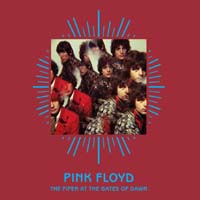
 2014The Endless River
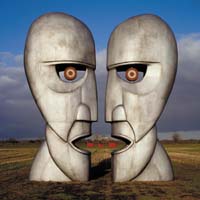 1994The Division Bell
 1987A Momentary Lapse of Reason
 1983The Final Cut
 1979The Wall
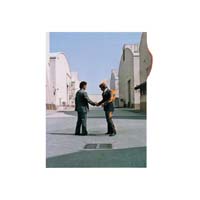 1975Wish You Were Here
 1971Meddle
 1969Ummagumma
 1968A Saucerful of Secrets