ALBUM NOTESHow Gustav Holst shaped the sound of The Planets / St. Paul's Suite / The Perfect
The Planets / St. Paul's Suite / The Perfect - Album Overview
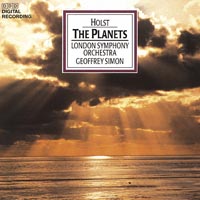
The album "The Planets / St. Paul's Suite / The Perfect," featuring the works of Gustav Holst, is an essential collection that showcases the composer’s profound influence on 20th-century orchestral music. Released in 2019 by the esteemed label Chandos Records, this album brings together some of Holst's most celebrated compositions. "The Planets," originally composed between 1914 and 1917, is perhaps Holst's most iconic work, consisting of seven movements, each named after a planet in the solar system, reflecting the characteristics of the mythological gods associated with them.
"The St. Paul's Suite," composed in 1913, serves as a testament to Holst's connection to English folk music and is often noted for its lively rhythms and melodic richness. This album also features "The Perfect," a lesser-known yet compelling piece that encapsulates Holst's innovative orchestration techniques. The recordings feature the BBC Philharmonic Orchestra and are conducted by the renowned conductor, Sir Andrew Davis.
This collection is not just a mere compilation of orchestral works; it offers listeners a glimpse into Holst's artistic evolution, his exploration of thematic material, and the integration of various musical styles. "The Planets" has left an indelible mark on various media, influencing film scores and contemporary classical compositions. Its cultural significance lies in its ability to evoke a sense of wonder and exploration, resonating deeply with audiences around the world.
Review
Holst’s "The Planets" is a masterclass in orchestration and thematic development, and the BBC Philharmonic under Sir Andrew Davis delivers a stunning interpretation. Each movement is distinct yet part of a cohesive whole, with the opening track, "Mars, the Bringer of War," immediately capturing the listener's attention with its aggressive rhythms and dissonant harmonies. The contrast between the ominous "Jupiter, the Bringer of Jollity" and the serene beauty of "Venus, the Bringer of Peace" highlights Holst's versatility and emotional depth.
While "The St. Paul's Suite" is often overshadowed by "The Planets," its charm lies in its rhythmic vitality and folk-inspired melodies, making it a delightful complement to the more grandiose works. The sound quality of this recording is impressive, with every instrument clearly defined, allowing listeners to appreciate Holst's meticulous craftsmanship.
However, the album's pacing may feel uneven to some, especially with the inclusion of "The Perfect," which, while intriguing, lacks the same level of familiarity and emotional impact as the other two major works. This slight disconnect could challenge listeners who are less familiar with Holst's oeuvre.
Highlights
- The impressive orchestral soundscapes of "The Planets."
- The vibrant rhythms and melodies in "St. Paul's Suite."
- High-quality recording and performance by the BBC Philharmonic Orchestra.
Weak points
- The pacing may feel uneven with the inclusion of "The Perfect."
- Some movements may require multiple listenings to fully appreciate.
- Less familiar listeners may find "The Perfect" less engaging than the primary works.
Overall evaluation
"The Planets / St. Paul's Suite / The Perfect" is a compelling collection that highlights Holst's genius and his lasting influence on classical music. While it has its minor flaws, the strengths far outweigh them, making this album a must-have for both dedicated classical fans and newcomers alike.
Personal rating: 8.5/10

 1981The Planets, Op. 32