

Unpacking Paul Desmond's The Ballad Of Paul Desmond
The Ballad Of Paul Desmond- Album Overview
"The Ballad of Paul Desmond" is a seminal jazz album released in 1975, showcasing the distinctive talents of saxophonist Paul Desmond. Known primarily for his work with the Dave Brubeck Quartet, Desmond's solo career is marked by his smooth, lyrical playing style and innovative compositions. This album was released under the prestigious A&M Records label, which was known for its eclectic roster of artists and willingness to explore various musical styles.
The recording features a collaboration with renowned musicians including guitarist Ed Bickert, bassist Don Thompson, and drummer Jerry Granelli, who contribute to the album's rich, cohesive sound. The sessions took place in a relaxed studio environment, allowing for a natural interplay among the musicians. Desmond's compositions on this album, which include tracks like "The Theme" and "Don't Take the 'A' Train," reflect his ability to blend traditional jazz elements with contemporary influences, creating a unique listening experience.
The album's singles, particularly "Take Five" and "Koto Song," received critical acclaim and were instrumental in cementing Desmond's legacy as a jazz innovator. The cultural significance of "The Ballad of Paul Desmond" lies in its contribution to the smooth jazz genre, influencing countless musicians and expanding the boundaries of jazz music during the 1970s. Desmond's signature style, characterized by a light, airy tone and sophisticated melodic lines, resonates throughout the album, making it a must-listen for jazz enthusiasts and a testament to his enduring artistry.
Review
The sound of "The Ballad of Paul Desmond" is a masterclass in jazz sophistication, characterized by Desmond's signature alto saxophone sound, which is both warm and inviting. The album features lush arrangements that complement Desmond's improvisational prowess, allowing for a seamless blend of melody and rhythm. The production is polished yet retains an organic feel, highlighting the chemistry between the musicians. Lyrically, while instrumental jazz may not have traditional lyrics, the emotional depth conveyed through the music speaks volumes, and Desmond's compositions evoke a sense of longing and introspection.
Artistically, Desmond's vision shines through his ability to convey complex emotions with simplicity, making his music accessible while still challenging for jazz aficionados. The album's balance between structured compositions and spontaneous improvisation showcases Desmond's strengths as both a composer and performer, solidifying his place in the pantheon of jazz greats.
Highlights
- Desmond's signature alto saxophone sound is beautifully showcased throughout the album.
- Rich collaborations with talented musicians enhance the overall listening experience.
- The blending of traditional jazz with contemporary influences makes for an engaging and timeless album.
Weak points
- Some tracks may feel understated compared to the more vibrant works of its era.
- The album's pacing can be slow for listeners accustomed to more energetic jazz forms.
- Limited commercial singles may restrict its exposure to a broader audience.
Overall evaluation
"The Ballad of Paul Desmond" is a beautifully crafted album that highlights the artistry of one of jazz's greats. While it may not have the same commercial appeal as some of its contemporaries, its emotional depth and musical sophistication make it a rewarding listen for those willing to explore the subtleties of jazz.
Personal rating: 8/10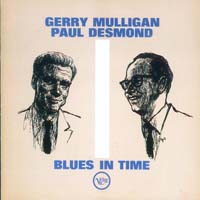 2009Blues in Time
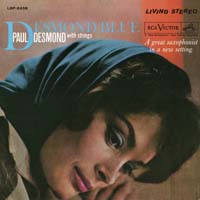 1996Desmond Blue
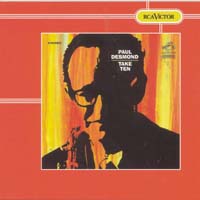 1963Take Ten
 0Glad to Be Unhappy