

Unpacking Paul Desmond's Bossa Antigua
Bossa Antigua- Album Overview
Released in 1975, "Bossa Antigua" is a notable album by the renowned jazz saxophonist Paul Desmond, best known for his work with the Dave Brubeck Quartet. The album was released under the A&M Records label, which was instrumental in promoting a diverse range of artists during the 1970s. "Bossa Antigua" showcases Desmond's seamless blend of bossa nova and jazz, with an enchanting collection of melodies that reflect the influences of Brazilian music, particularly the rhythms and harmonies characteristic of bossa nova.
The album features a stellar lineup of musicians, including the talented guitarist and arranger, Jim Hall, who co-produced the album with Desmond. The collaboration between Hall and Desmond results in a rich tapestry of sound, where Hall's delicate guitar work complements Desmond's signature alto saxophone tone. The recording sessions took place in Los Angeles, a hub for innovative jazz in the 1970s, capturing the essence of both the artists and the genre.
"Bossa Antigua" consists of nine tracks, including standouts like "Take Five" and "A Certain Sadness," which exemplify Desmond's lyrical phrasing and sophisticated improvisation. The album did not spawn any major singles, yet it has garnered a cult following over the years, with many jazz enthusiasts appreciating its subtle complexities and melodic beauty. The cultural significance of "Bossa Antigua" lies in its ability to bridge the gap between jazz and the bossa nova movement, making it an essential listen for fans of both genres.
Review
"Bossa Antigua" is a beautifully crafted album that captures Paul Desmond's unique voice as a saxophonist and his deep understanding of rhythm and melody. The sound is characterized by a warm, inviting atmosphere, where each note seems to linger in the air, creating a sense of intimacy. Desmond's alto saxophone flows effortlessly over the bossa nova grooves, delivering a sense of calm and sophistication that is both relaxing and stimulating.
The album's arrangements are tastefully done, with a focus on melody rather than technical bravado, which allows listeners to engage with the music on an emotional level. Desmond's ability to convey deep feelings with simple yet profound phrases is evident throughout the album. While there are no lyrics to analyze, the emotional weight of the melodies speaks volumes, making the absence of words irrelevant. The artistic vision behind "Bossa Antigua" reflects Desmond's desire to explore new musical landscapes while remaining true to his roots, resulting in a timeless collection that resonates with audiences.
Highlights
- Desmond's lyrical saxophone playing creates a soothing and engaging listening experience.
- The collaboration with Jim Hall results in beautifully arranged tracks that complement Desmond's style.
- The album bridges jazz and bossa nova, showcasing the cultural exchange between genres.
Weak points
- Some tracks may feel too laid-back for listeners seeking more energetic jazz.
- The album lacks major singles that could have broadened its reach in popular music.
- Limited commercial success may overshadow its artistic merit for some listeners.
Overall evaluation
"Bossa Antigua" stands as a testament to Paul Desmond's artistry, blending bossa nova rhythms with jazz sensibilities. Its understated brilliance and emotional depth make it a significant work in Desmond's discography and the wider jazz landscape.
Personal rating: 8/10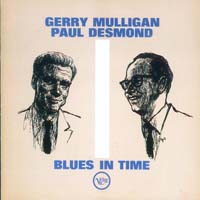 2009Blues in Time
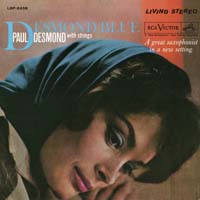 1996Desmond Blue
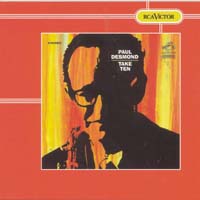 1963Take Ten
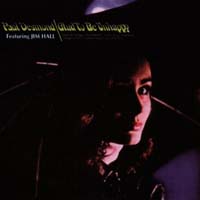 0Glad to Be Unhappy