

Paul Desmond experiments boldly on Late Lament
Late Lament- Album Overview
"Late Lament," released in 1975, stands as a remarkable entry in the discography of Paul Desmond, the renowned alto saxophonist known for his work with the Dave Brubeck Quartet. This album, released under the A&M Records label, showcases Desmond's unique approach to jazz that blends lyrical melody with innovative experimentation. The recording features Desmond's collaboration with notable musicians, including guitarist Ed Bickert and bassist Don Thompson, who contribute to a rich, textured sound. The album is notable for its introspective compositions and a seamless blend of jazz with elements of ambient and soft rock, reflecting the musical trends of the mid-1970s. The album comprises original tracks, including the evocative title piece "Late Lament," which encapsulates the wistful and contemplative nature of Desmond's artistry. The production on the album is marked by its clarity and warmth, allowing the subtle nuances of Desmond's saxophone to shine through. "Late Lament" wasn't released as a single, but its tracks have found appreciation among jazz enthusiasts and collectors alike, emphasizing the album's significance beyond commercial success. This project not only showcases Desmond’s technical prowess but also his growth as a composer and innovator in the jazz genre, marking a period of creative exploration in his career.
Review
In "Late Lament," Paul Desmond takes listeners on an evocative journey through sound, characterized by his signature smooth alto saxophone playing. The album embraces a contemplative aesthetic, with each track acting as a vignette that reflects on themes of love, loss, and introspection. Desmond's ability to convey emotion through melody is particularly pronounced here, as he navigates through complex harmonies with effortless grace. The interplay with Bickert’s guitar adds a layer of warmth, while Thompson's bass lines provide a solid foundation that enhances the overall listening experience. The album’s production is noteworthy, capturing the organic sound of the instruments without overwhelming the listener. The tracks are unified by a gentle flow that encourages deep listening, making it suitable for both casual enjoyment and focused appreciation. Desmond's artistic vision in "Late Lament" showcases his willingness to experiment while remaining true to his melodic roots, making this album a significant piece in the evolution of jazz during a time of great change in the genre.
Highlights
- Desmond's emotive saxophone playing shines throughout the album.
- Seamless collaboration with talented musicians enhances the overall sound.
- Innovative blend of jazz with ambient and soft rock elements.
Weak points
- Some listeners may find the pacing too languid for their taste.
- Lack of widely recognized singles may limit commercial appeal.
- Occasional reliance on mood over technical complexity could alienate purist jazz fans.
Overall evaluation
"Late Lament" is a testament to Paul Desmond's ability to innovate within the jazz genre while remaining deeply personal and introspective. It captures a unique moment in his career and the broader landscape of music in the 1970s. While it may not cater to all tastes, its rich emotional depth and artistic sincerity make it a noteworthy addition to any jazz lover's collection.
Personal rating: 8/10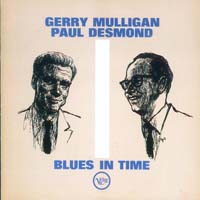 2009Blues in Time
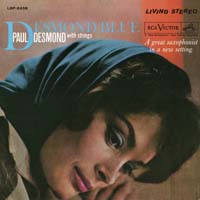 1996Desmond Blue
 1963Take Ten
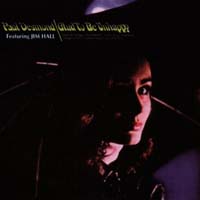 0Glad to Be Unhappy