

Paul Desmond experiments boldly on Take Five
Take Five- Album Overview
"Take Five" is a seminal jazz album by celebrated alto saxophonist Paul Desmond, released in 1959 under the iconic label, Columbia Records. The album is best known for its title track, "Take Five," which was composed by Desmond and famously performed by the Dave Brubeck Quartet. The piece is notable for its distinctive 5/4 time signature, a bold departure from the traditional 4/4 meter prevalent in most popular music of the era. This innovative rhythmic structure not only showcases Desmond's lyrical saxophone playing but also highlights the quartet's exceptional musicianship. The album was recorded during a significant era in jazz, when artists were beginning to experiment with time signatures and complex harmonies. The recording features notable collaborators such as pianist Dave Brubeck, drummer Joe Morello, and bassist Eugene Wright, all of whom contribute to the album's rich textures and intricate interplay. "Take Five" includes other tracks like "Blue Rondo à la Turk," "Strange Meadow Lark," and "Three to Get Ready," each showcasing Desmond's unique blend of cool jazz and intricate improvisation. The album's cultural significance cannot be overstated; it played a crucial role in popularizing jazz in the mainstream and remains a touchstone for both jazz enthusiasts and casual listeners alike. Its influence has endured, inspiring countless artists across various genres and solidifying its place in the jazz canon.
Review
The sound of "Take Five" is a masterclass in subtlety and innovation. Desmond's alto saxophone glides effortlessly through each track, characterized by its smooth, airy tone that contrasts beautifully with the rhythmic complexity of the compositions. The interplay between Desmond and Brubeck is particularly noteworthy; Brubeck's piano provides a harmonic foundation that allows Desmond's melodies to soar. The album straddles the line between accessible and avant-garde, making it a perfect introduction to jazz for newcomers while still offering depth for seasoned listeners. The artistic vision behind "Take Five" was to push the boundaries of jazz while remaining enjoyable and relatable. Desmond's compositions and improvisational style embrace a laid-back coolness, yet they are intellectually stimulating, inviting listeners to engage with the music on multiple levels. This album is not just a collection of songs; it's an exploration of rhythm, melody, and harmony that challenges conventions while maintaining a sense of joy and spontaneity.
Highlights
- The groundbreaking use of 5/4 time signature in "Take Five."
- Desmond's smooth and lyrical saxophone tone that captivates the listener.
- The exceptional synergy between the band members, showcasing their individual talents.
Weak points
- Some listeners may find the experimental nature of the album challenging.
- The production quality, while good for its time, may seem dated compared to modern standards.
- A few tracks may feel slower compared to the energetic title piece, which could impact overall pacing.
Overall evaluation
"Take Five" stands as a landmark achievement in jazz music, blending innovation with accessibility. Paul Desmond's artistry shines through, making this album a must-listen for anyone interested in the evolution of jazz. Its enduring popularity and influence are a testament to its brilliance.
Personal rating: 9/10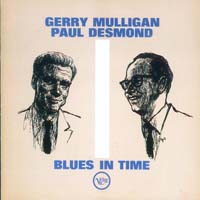 2009Blues in Time
 1996Desmond Blue
 1963Take Ten
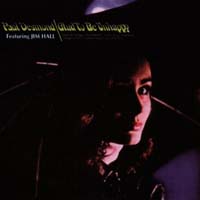 0Glad to Be Unhappy