

The evolution of Paul Desmond in Pure Desmond
Pure Desmond- Album Overview
Released in 1975, "Pure Desmond" is an album that showcases the distinct saxophone artistry of Paul Desmond, a prominent figure in the jazz world known for his smooth, lyrical playing style. This album was produced under the CTI Records label, a label renowned for its high-quality jazz recordings during the 1970s. Desmond, who gained fame as a member of the Dave Brubeck Quartet, stepped into the spotlight with this project, bringing along his signature sound while also experimenting with different musical textures. The album features a stellar lineup of musicians including the legendary pianist and producer Bob James, as well as the renowned drummer Tony Williams and bassist Ron Carter, among others. "Pure Desmond" is characterized by its blend of jazz and pop elements, a sound that was becoming increasingly popular during the mid-1970s. The album contains several standout tracks, including the evocative "Take Five," a composition that originally gained fame through Desmond's work with Brubeck. The record captures the essence of Desmond’s mellow style, showcasing his ability to evoke emotion through his instrument. The production quality is notable, with lush arrangements that highlight the interplay between Desmond's saxophone and the supporting musicians. Despite being released later in his career, the album remains a testament to Desmond's enduring influence in the jazz genre and his ability to adapt to the evolving musical landscape of the time.
Review
"Pure Desmond" represents a significant chapter in Paul Desmond's artistic journey, reflecting both his roots in traditional jazz and his willingness to embrace more contemporary sounds. The album is a delightful listening experience, with Desmond’s alto saxophone gliding effortlessly over the rich instrumental backdrop. The production is polished, yet it retains an organic feel, allowing the musicians' talents to shine through. While the album features instrumental compositions primarily, the emotional depth conveyed through Desmond's playing speaks volumes, transcending the need for lyrics. Each track is meticulously crafted, revealing layers of complexity that invite repeated listens. The arrangements are lush yet sophisticated, balancing Desmond’s smooth melodies with intricate rhythms. The collaborative spirit of the album is evident, with each musician contributing to a cohesive sound that feels both intimate and expansive. Desmond’s artistic vision shines through, maintaining his signature style while pushing the boundaries of jazz during a time of significant transformation in the genre.
Highlights
- Beautifully melodic saxophone lines that showcase Desmond's unique style.
- Strong collaborative efforts with talented musicians, enhancing the overall sound.
- A timeless quality that allows the album to resonate with both jazz enthusiasts and casual listeners.
Weak points
- Some tracks may feel dated to contemporary listeners unfamiliar with the era's jazz fusion.
- Limited lyrical content, as the album focuses primarily on instrumental pieces.
- Occasional overproduction that might overshadow Desmond's natural sound.
Overall evaluation
"Pure Desmond" is a remarkable showcase of Paul Desmond's talents and his evolution as a musician. It stands as a testament to his legacy within the jazz genre, offering a blend of sophistication and accessibility. The album captures a pivotal moment in jazz history and remains a recommended listen for those exploring the depths of jazz artistry.
Personal rating: 8/10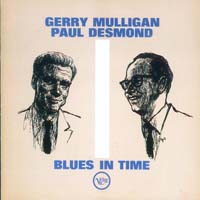 2009Blues in Time
 1996Desmond Blue
 1963Take Ten
 0Glad to Be Unhappy