

Breaking down the themes in Glad to Be Unhappy by Paul Desmond
Glad to Be Unhappy- Album Overview
"Glad to Be Unhappy" is an album by renowned jazz alto saxophonist Paul Desmond, released in 1975 under the A&M Records label. Known for his work with the Dave Brubeck Quartet, Desmond's signature style blends smooth melodies with intricate harmonies, making this album a significant addition to his discography. The recording features a mix of original compositions and standards, showcasing Desmond's lyrical improvisation and subtle, airy tone. The album was produced by the legendary Creed Taylor, who played a crucial role in shaping the sound of jazz and pop in the 1970s.
The album contains tracks such as "Glad to Be Unhappy," which lends its title to the collection, and other notable pieces like "My Funny Valentine" and "Embarcadero." Each song reflects a sense of introspection and emotional depth, encapsulating the complexities of love and yearning. Collaborating with talented musicians, including the pianist and composer Don Sebesky, Desmond crafted an album that resonates with the listener, both melodically and thematically. The lyrical content often explores the paradox of sadness intertwined with happiness, a theme that runs throughout jazz history.
"Glad to Be Unhappy" stands as a testament to Desmond's ability to convey deep emotions through music. It emphasizes the notion that joy and sorrow are often interlinked, a concept that resonates with many listeners. The album's release during the mid-1970s also highlights the evolution of jazz, where artists began to blend traditional forms with contemporary influences, paving the way for future generations. Desmond's work in this album is not just a reflection of his musical prowess but also a significant contribution to the jazz genre as a whole.
Review
The sound of "Glad to Be Unhappy" is characterized by its rich textures and sophisticated arrangements, which are hallmarks of Paul Desmond's artistry. The album flows seamlessly from one track to another, allowing the listener to become fully immersed in the emotional landscape Desmond navigates. His alto saxophone is both tender and poignant, often evoking a sense of nostalgia that lingers long after the music has stopped.
Lyrically, the album speaks to the intricacies of human emotion, encapsulating feelings of melancholy and joy with remarkable clarity. Each piece feels like a narrative, drawing listeners into the intimate world of Desmond’s thoughts and experiences. The artistic vision behind the album is one of vulnerability and honesty, as Desmond embraces the idea that being "glad to be unhappy" is a valid and profound emotional state. This thematic exploration adds layers of depth to the listening experience, inviting reflection on one’s own feelings and relationships.
Highlights
- Desmond's signature smooth saxophone tone, which captivates with its lyrical beauty.
- Thoughtful arrangements that enhance the emotional weight of each track.
- A seamless blend of original compositions and jazz standards that showcase Desmond's versatility.
Weak points
- The album's overall mood may feel too somber for some listeners seeking more upbeat jazz.
- Limited commercial appeal compared to Desmond's earlier works with the Dave Brubeck Quartet.
- Some tracks may feel repetitive in structure, potentially leading to listener fatigue.
Overall evaluation
"Glad to Be Unhappy" is a poignant exploration of the human experience through the lens of jazz. Paul Desmond's artistry shines brightly in this collection, offering a reflective and emotionally rich listening experience. While it may not cater to all tastes, those who appreciate intricate melodies and thoughtful compositions will find much to admire.
Personal rating: 8/10 2015Six Classic Albums
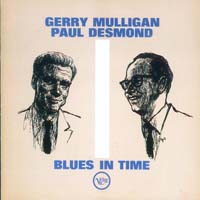 2009Blues in Time
 1996Desmond Blue
 1963Take Ten