Biography
Wes Montgomery: history and sound
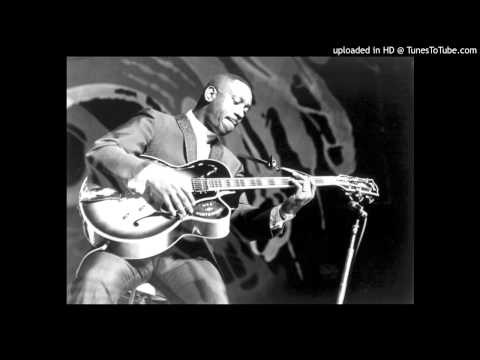
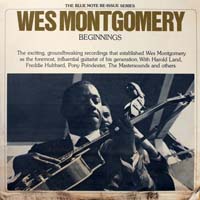
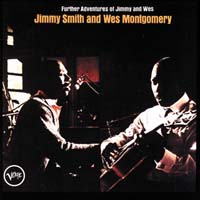
John Leslie Wes Montgomery (March 6, 1923 – June 15, 1968) was an American jazz guitarist. He is widely considered one of the major jazz guitarists, emerging after such seminal figures as Django Reinhardt and Charlie Christian and influencing countless others, including George Benson, Kenny Burrell, Bobby Broom, Royce Campbell, Grant Green, Jimi Hendrix, Steve Howe, Russell Malone, Pat Martino, Pat Metheny, Lee Ritenour, Joe Diorio, Tuck Andress, David Becker, Randy Napoleon, and Emily Remler.
Wes Montgomery - The Jazz Legend
Wes Montgomery, a pioneer in the field of jazz music, was an American guitarist whose influence is still felt today. Born in 1923 in Indianapolis, Wes was a self-taught musician who played with a distinct style that was uniquely his own. His music was known for its melodic and harmonic richness, and for his use of innovative techniques such as using the thumb instead of a pick. In this article, we will delve into Montgomery's musical biography, genre, best songs, famous concerts and a critic.
Wes Montgomery began his professional music career in the late 1940s and early 1950s, playing in various bands around Indianapolis. In 1957, he was signed to the Riverside Records label, where he recorded his debut album, The Wes Montgomery Trio. This marked the beginning of a fruitful partnership with the label that lasted until his untimely death in 1968. Wes was known for his ability to improvise and his mastery of the guitar's fretboard, which allowed him to produce complex melodies and harmonies.
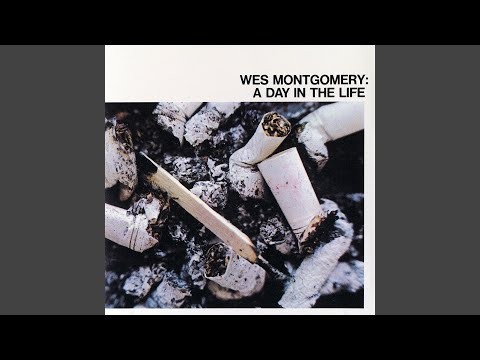
Montgomery's music was heavily influenced by his African American roots and the gospel music he grew up with. He is widely regarded as one of the pioneers of the jazz fusion genre, which blends elements of jazz, funk, and rock music. His style was characterized by his warm and smooth tone and his use of complex chord progressions. Some of his standout albums include The Incredible Jazz Guitar of Wes Montgomery, Movin' Wes, and A Day in the Life.
Montgomery's best-known songs include West Coast Blues, Four on Six, Airegin, and Unit 7. These songs showcase Montgomery's prowess as a player and his ability to create intricate and memorable melodies. His music has been covered by many artists over the years, including Stevie Wonder, who covered his song I'll Be There on his 1971 album, Where I'm Coming From.
Montgomery's live performances were legendary, and he played at some of the most famous jazz clubs in the country, including the Village Vanguard in New York City and the Jazz Workshop in San Francisco. One of his most famous concerts was his performance at the 1965 Newport Jazz Festival, where he played alongside pianist Herbie Hancock and drummer Tony Williams.
Critics have praised Montgomery's contributions to jazz music, calling him one of the most talented and innovative guitarists of his era. His use of the thumb technique, which involved plucking the strings with the thumb rather than a pick, was groundbreaking and influenced many other guitarists. His music continues to be celebrated today, and his contributions to the world of jazz are still felt and heard in the music of many contemporary artists.
Wes Montgomery's impact on jazz music is immeasurable. His innovative style and his ability to create intricate melodies and harmonies have made him one of the most influential guitarists of all time. Montgomery's music continues to be celebrated today, and his contributions to the world of jazz will never be forgotten. Whether you are a seasoned jazz fan or a casual listener, taking the time to explore the music of Wes Montgomery is a must-do.
Wes Montgomery - The Jazz Legend
Wes Montgomery, a pioneer in the field of jazz music, was an American guitarist whose influence is still felt today. Born in 1923 in Indianapolis, Wes was a self-taught musician who played with a distinct style that was uniquely his own. His music was known for its melodic and harmonic richness, and for his use of innovative techniques such as using the thumb instead of a pick. In this article, we will delve into Montgomery's musical biography, genre, best songs, famous concerts and a critic.
Wes Montgomery began his professional music career in the late 1940s and early 1950s, playing in various bands around Indianapolis. In 1957, he was signed to the Riverside Records label, where he recorded his debut album, The Wes Montgomery Trio. This marked the beginning of a fruitful partnership with the label that lasted until his untimely death in 1968. Wes was known for his ability to improvise and his mastery of the guitar's fretboard, which allowed him to produce complex melodies and harmonies.
Montgomery's music was heavily influenced by his African American roots and the gospel music he grew up with. He is widely regarded as one of the pioneers of the jazz fusion genre, which blends elements of jazz, funk, and rock music. His style was characterized by his warm and smooth tone and his use of complex chord progressions. Some of his standout albums include The Incredible Jazz Guitar of Wes Montgomery, Movin' Wes, and A Day in the Life.
Montgomery's best-known songs include West Coast Blues, Four on Six, Airegin, and Unit 7. These songs showcase Montgomery's prowess as a player and his ability to create intricate and memorable melodies. His music has been covered by many artists over the years, including Stevie Wonder, who covered his song I'll Be There on his 1971 album, Where I'm Coming From.
Montgomery's live performances were legendary, and he played at some of the most famous jazz clubs in the country, including the Village Vanguard in New York City and the Jazz Workshop in San Francisco. One of his most famous concerts was his performance at the 1965 Newport Jazz Festival, where he played alongside pianist Herbie Hancock and drummer Tony Williams.
Critics have praised Montgomery's contributions to jazz music, calling him one of the most talented and innovative guitarists of his era. His use of the thumb technique, which involved plucking the strings with the thumb rather than a pick, was groundbreaking and influenced many other guitarists. His music continues to be celebrated today, and his contributions to the world of jazz are still felt and heard in the music of many contemporary artists.
Wes Montgomery's impact on jazz music is immeasurable. His innovative style and his ability to create intricate melodies and harmonies have made him one of the most influential guitarists of all time. Montgomery's music continues to be celebrated today, and his contributions to the world of jazz will never be forgotten. Whether you are a seasoned jazz fan or a casual listener, taking the time to explore the music of Wes Montgomery is a must-do.