

Diving deep into Boss Guitar by Wes Montgomery
Boss Guitar- Album Overview
Released in 1963, "Boss Guitar" is a seminal album by the legendary jazz guitarist Wes Montgomery, known for his innovative approach to the instrument and his soulful, swinging style. This album, produced by Creed Taylor and released under the Verve Records label, showcases a blend of jazz, blues, and pop influences that characterized Montgomery's work during this era. The recording session took place at the legendary Van Gelder Studio in Englewood Cliffs, New Jersey, a hub for many iconic jazz recordings.
"Boss Guitar" features a stellar lineup of musicians, including pianist Wynton Kelly, bassist Jimmy Cobb, and drummer Elvin Jones, each of whom brings their unique flair to the project. The album consists of eight tracks, including standout pieces like "Airegin," "Blue Monk," and the title track "Boss Guitar." The album is notable for its seamless integration of Montgomery's signature thumb-picking style, which creates a warm and rich tone, along with his ability to blend complex harmonies with accessible melodies.
This album was not released as a single, but its impact was felt throughout the jazz community, influencing countless musicians who came after Montgomery. The record is often celebrated not just for its musicality but also for its cultural significance, as it helped bridge the gap between jazz and popular music during a time of significant social change in America. "Boss Guitar" remains a staple in the jazz guitar repertoire and is frequently referenced in discussions about the evolution of jazz guitar playing.
Review
"Boss Guitar" is a masterclass in jazz guitar, showcasing Wes Montgomery's unparalleled talent and creativity. The album's sound is a rich tapestry of intricate melodies and rhythmic complexity, all delivered with Montgomery's trademark warmth and expressiveness. The interplay between Montgomery and his bandmates creates an engaging listening experience, as their collective improvisation pushes the boundaries of the genre while maintaining a sense of accessibility.
The album is primarily instrumental, allowing Montgomery's guitar to take center stage, but it also features moments of vocal harmony that add depth to the arrangements. Each track is meticulously crafted, highlighting Montgomery's ability to convey emotion and storytelling through his instrument. His phrasing is thoughtful, often drawing the listener into a contemplative space, while the rhythm section provides a solid foundation that propels the music forward.
Overall, "Boss Guitar" exemplifies Wes Montgomery's artistic vision, blending technical prowess with emotional depth. The album resonates with both jazz aficionados and casual listeners, making it a timeless addition to any music collection.
Highlights
- Innovative thumb-picking technique that defines Montgomery's sound.
- Exceptional collaboration with renowned jazz musicians, enhancing the overall sound.
- Seamless blend of jazz, blues, and pop elements that appeals to a wide audience.
Weak points
- Some tracks may feel less dynamic compared to others, lacking the intense improvisation seen in live performances.
- The instrumental nature of the album may not resonate with listeners who prefer vocal-centric music.
- Limited promotion at the time of release may have hindered wider recognition during its initial launch.
Overall evaluation
"Boss Guitar" stands as a landmark album in jazz history, showcasing Wes Montgomery's profound impact on the genre. With its rich textures and masterful musicianship, it remains a must-listen for anyone interested in the evolution of jazz guitar.
Personal rating: 9/10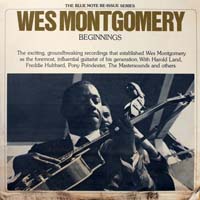 1975Beginnings
 1969Further Adventures of Jimmy and Wes
 1961So Much Guitar!
 1960The Incredible Jazz Guitar of Wes Montgomery
 0Jimmy