

First impressions of Wes Montgomery – Portrait of Wes
Portrait of Wes- Album Overview
"Portrait of Wes," released in 1968, marks one of the final albums by the legendary jazz guitarist Wes Montgomery, showcasing his unique ability to blend technical prowess with deep emotional expression. Released under the Verve Records label, the album features a collection of tracks that highlight Montgomery's signature style, which includes his use of thumb picking and innovative chordal techniques. The recording sessions took place at the renowned Van Gelder Studio, a hub for many jazz greats, ensuring a high-quality sound that captures the essence of Montgomery's artistry.
The album features a stellar ensemble of musicians, including pianist Harold Mabern, bassist Jimmy Cobb, and drummer Grady Tate, all of whom contribute to the rich and warm sound that defines the record. Notable tracks include "Airegin," a fast-paced tune that showcases Montgomery's intricate solos, and "Caravan," where his interpretation elevates the composition into a mesmerizing experience. The album reflects the cultural significance of its time, as jazz was evolving and incorporating elements from various genres, and Montgomery was at the forefront of this movement.
"Portrait of Wes" stands as a testament to Montgomery's impact on jazz and his ability to craft music that transcends genres. The album not only solidified his reputation but also influenced countless musicians who followed, making it a vital piece in the jazz canon. Though it was recorded in the late 1960s, its themes of love, introspection, and improvisation remain relevant, resonating with both jazz aficionados and new listeners alike.
Review
The sound of "Portrait of Wes" is a seamless blend of sophisticated jazz and accessible melodies, making it an enchanting listen for both seasoned jazz fans and newcomers. Montgomery's guitar work is nothing short of extraordinary; his ability to create rich, melodic lines while maintaining a rhythmic groove is awe-inspiring. The album features several standout moments where his improvisational skills shine, particularly in tracks like "O Morro," where he effortlessly navigates complex chord progressions.
While the album does not contain lyrics, the emotive qualities of Montgomery's guitar speak volumes. Each note conveys a sense of longing and joy, reinforcing his status as a storyteller through music. The artistic vision behind "Portrait of Wes" reflects a deep understanding of jazz traditions while pushing boundaries, making it a quintessential representation of Montgomery's legacy.
Highlights
- Exceptional guitar work that showcases Montgomery's technical mastery and emotional depth.
- Rich, warm production quality that enhances the listening experience.
- A stellar lineup of supporting musicians that complement and elevate Montgomery's sound.
Weak points
- Some listeners may find the album's slower tracks less engaging compared to the more upbeat selections.
- Limited experimentation in terms of genre fusion compared to Montgomery's earlier works.
- The album's pacing may feel uneven to those seeking a more consistent tempo throughout.
Overall evaluation
"Portrait of Wes" is a brilliant showcase of Wes Montgomery's guitar artistry, encapsulating the essence of jazz while remaining emotionally resonant. It stands as a significant contribution to the genre and a fitting tribute to one of its most influential figures.
Personal rating: 9/10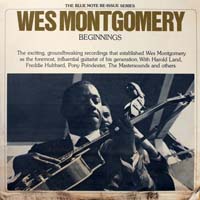 1975Beginnings
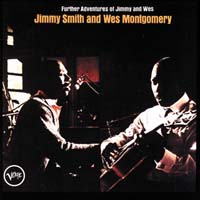 1969Further Adventures of Jimmy and Wes
 1961So Much Guitar!
 1960The Incredible Jazz Guitar of Wes Montgomery
 0Jimmy