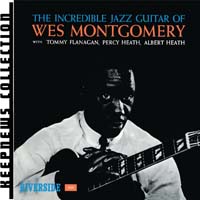
Wes Montgomery was a pioneering jazz guitarist from Indianapolis, Indiana who set the standard for post-bop jazz guitarists in the 20th century. Not only was his unique approach to playing electrified guitar embraced and praised by players and audiences alike, but it also served as an inspiration for later generations of electric guitarists. On one hand, there are those who criticize his smooth style of playing that lacked dynamic range or intensity — particularly when compared to more traditional bop jazz artists. On the other hand though, Montgomery's influence on modern music is undeniable - his soulful groove continues to be felt wordwide today through contemporary jazz recordings and even hiphop samples. What do you think? Was he a revolutionary musician worth praising or does he deserve criticism?
Wes Montgomery is a name that should be on the radar of every music lover, especially those who enjoy jazz. The pioneering jazz guitarist from Indianapolis, Indiana, not only set the standard for post-bop jazz guitarists in the 20th century but also inspired later generations of electric guitarists worldwide. His unique approach to playing electrified guitar was embraced and praised by players and audiences alike, despite criticism often coming from traditional bop jazz artists. In this blog post, we delve into Montgomery's legacy and explore whether he deserves criticism or should be hailed as a revolutionary musician.
Montgomery emerged on the music scene in the late 1950s and quickly became known for his distinctive guitar sound. His signature approach involved playing notes using his thumb instead of a pick, which resulted in a softer, more rounded tone than what was typically heard from electric guitarists at the time. By the early 1960s, Montgomery was in high demand as a session musician, recording with other jazz greats, including John Coltrane and Miles Davis. Despite being in-demand, Montgomery remained humble, which only further endeared him to his fans.
Montgomery's playing style consisted of playing quick and complex runs, with a strong emphasis on melody, creating a relaxing and soulful groove-driven sound. This approach had its naysayers, critics claimed that Montgomery's style lacked dynamic range or intensity compared to other bop jazz artists such as Charlie Parker. But, as Montgomery once stated, I never felt the need to fill up spaces, and this approach allowed him to focus his attention on creating a polished and refined sound that made him distinct from other musicians.
Montgomery's music drastically expanded in the 1960s, where he began experimenting with Moog synthesizers and big band arrangements. Still, it was his live performances that received the most audience appreciation. Montgomery never compromised or sought to please critics, his goal remained true to his intrinsic love for music and connecting with others via his performances.
Montgomery's legacy continues with today's musicians, with his music remaining timeless and being sampled by contemporary hip hop artists, such as A Tribe Called Quest and Common. Even modern jazz musicians acknowledge his pioneering style and its place in jazz history. It's no wonder that his albums are still being re-issued and continue to gain new fans worldwide.
Wes Montgomery undoubtedly deserves recognition as a revolutionary musician that set the blueprints for future music trends and still resonates with audiences worldwide. His unique sound and emphasis on melody may have been subject to criticism, but it makes him stand out from the collective masses of musicians of his era. The mark of Montgomery's contributions is across generations, with contemporary jazz guitarists undoubtedly inspired by his legacy and his sound that continues to evoke relaxing and soulful grooves. Montgomery blazed the road map for jazz guitarists while at the same time forever leaving his distinctive mark on music history.