ALBUM NOTESReview of Grateful Dead-Workingman’s Dead – Workingman’s Dead
Album overview
The Grateful Dead's "Workingman’s Dead" is a landmark album released on June 14, 1970, by Warner Bros. Records. This studio effort marked a significant shift in the band's sound, leaning more towards folk and country influences rather than their earlier psychedelic rock roots. The album was produced by the band alongside the renowned producer and engineer, Bob Matthews. It features a blend of original songs, primarily written by Jerry Garcia and Robert Hunter, showcasing their lyrical depth and musical versatility.
The album includes iconic tracks such as "Uncle John's Band," "Casey Jones," and "Dire Wolf," which have become staples in the Grateful Dead’s live performances. "Workingman’s Dead" was recorded at a time when the band was transitioning from an experimental phase to a more structured, song-oriented approach, reflecting the influence of the burgeoning Americana music scene. The album's themes resonate with the working-class struggles and the counterculture movement of the 1960s, making it culturally significant.
The recording sessions took place at Pacific Recording Studios in San Mateo, California, and the album features contributions from various band members, including Phil Lesh on bass and Bob Weir on rhythm guitar. The album was well-received upon release and has since been recognized as one of the band's finest works, often praised for its harmonious melodies and intricate arrangements.
Review
"Workingman’s Dead" stands out for its cohesive sound and lyrical storytelling. The blend of folk, rock, and country elements creates a rich tapestry that showcases the band's musical evolution. The harmonies are tight, particularly in tracks like "Uncle John's Band," where the interplay between Garcia and Weir adds a layer of warmth and intimacy. The lyrics, co-written by Garcia and Hunter, are poignant and reflective, often touching on themes of life, death, and the human experience.
The artistic vision behind this album is apparent, it captures the essence of the American spirit during a time of social change. The instrumentation is understated yet effective, allowing the poignant lyrics to shine. Tracks like "Casey Jones" not only tell a story but also incorporate a catchy, sing-along quality that exemplifies the band's ability to engage with their audience. Overall, "Workingman’s Dead" is a beautifully crafted album that balances musicality with lyrical depth, making it a significant entry in the band’s discography.
Highlights
- Strong songwriting and lyrical depth, particularly in tracks like "Uncle John's Band."
- Seamless blend of folk, rock, and country influences.
- Rich harmonies that showcase the band's vocal prowess.
Weak points
- Some tracks may feel slower-paced for listeners expecting the band's more energetic sound.
- Lack of extensive improvisation may disappoint die-hard fans of the band's live performances.
- Production quality, while good, may not match the clarity of their later albums.
Overall evaluation
"Workingman’s Dead" is a defining moment in the Grateful Dead's career, showcasing their growth as artists and their ability to resonate with the cultural zeitgeist of the era. It remains a beloved classic that continues to influence musicians and fans alike.
Personal rating: 9/10
```

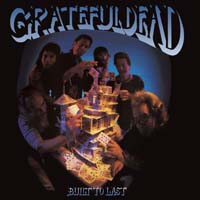 1989Built to Last
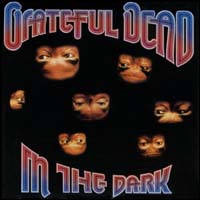 1987In the Dark
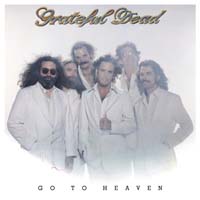 1980Go to Heaven
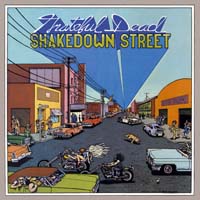 1978Shakedown Street
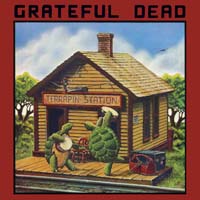 1977Terrapin Station
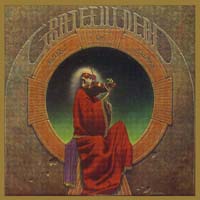 1975Blues for Allah
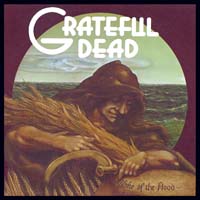 1973Wake of the Flood
 1970American Beauty
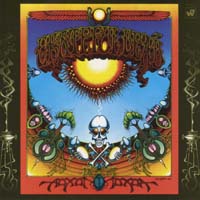 1969Aoxomoxoa
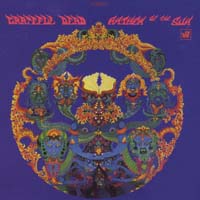 1968Anthem of the Sun
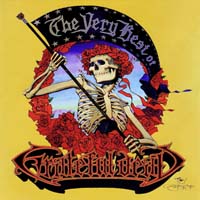 1967The Grateful Dead