
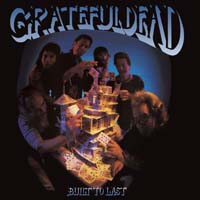
The evolution of Grateful Dead-Built to Last in Built to Last
Album overview
"Built to Last" is the thirteenth studio album by the iconic American rock band Grateful Dead, released on October 31, 1989. The album came out through Arista Records and marked a significant point in the band's evolution, showcasing their adaptation to the changing musical landscape of the late 1980s. Recorded primarily at the band's own studio, Front Street Studio in San Rafael, California, "Built to Last" features a collaborative effort from band members Jerry Garcia, Bob Weir, Phil Lesh, and others, with notable contributions from lyricist and collaborator Robert Hunter. The album includes tracks such as "Foolish Heart," "Just a Little Light," and the titular "Built to Last." Each song reflects the band's continuing commitment to blending rock, folk, and psychedelia, while also incorporating a more polished production style compared to their earlier works. The singles "Foolish Heart" and "Just a Little Light" received considerable airplay on FM radio, helping to introduce the band to new audiences. Despite being the last studio album released during the band's active years, "Built to Last" encapsulates the Grateful Dead's enduring legacy and influence on the jam band scene and the broader rock genre. The production choices and lyrical themes resonate with the band's philosophy of living in the moment and embracing change, a fitting narrative as they transitioned towards their later years.
Review
The sound of "Built to Last" represents a matured Grateful Dead, combining their signature improvisational style with a more radio-friendly approach. The tracks are characterized by a blend of rich harmonies and intricate guitar work, particularly from Jerry Garcia, whose solos remain poignant and expressive. Lyrically, the album conveys themes of resilience and hope, encapsulated in songs like "Foolish Heart," which reflects on human emotions and the complexities of relationships. Critics often note the album's production quality, a departure from the rawness of their earlier recordings. The polished sound may appeal to new listeners but could alienate traditionalists who favor the band's earlier, grittier aesthetic. Nevertheless, the album's artistic vision remains intact, embodying the essence of the Grateful Dead while adapting to the contemporary musical climate of the time. The interplay between Garcia's guitar and Weir's rhythm guitar creates an engaging listening experience, showcasing their chemistry as musicians.
Highlights
- Strong lyrical themes of resilience and hope.
- Impressive guitar work from Jerry Garcia.
- Engaging production that appeals to both old and new fans.
Weak points
- Polished sound may not satisfy long-time fans of their early work.
- Some tracks may feel more commercial than experimental.
- Limited improvisation compared to previous albums.
Overall evaluation
"Built to Last" stands as a testament to the Grateful Dead's ability to evolve while still remaining true to their core principles. While it may not capture the raw energy of their earlier works, it showcases a mature band that successfully navigated the changing tides of the music industry.
Personal rating: 7/10 ``` 1991Infrared Roses
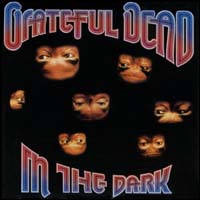 1987In the Dark
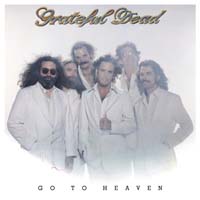 1980Go to Heaven
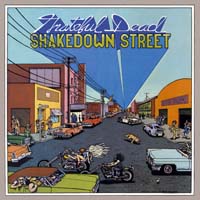 1978Shakedown Street
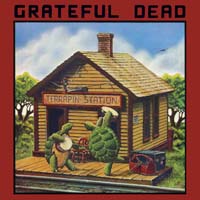 1977Terrapin Station
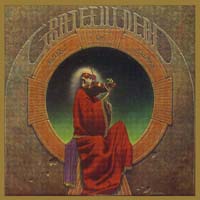 1975Blues for Allah
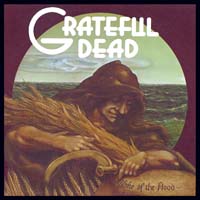 1973Wake of the Flood
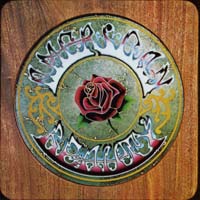 1970American Beauty
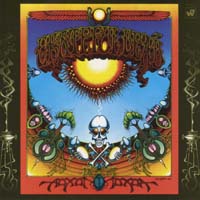 1969Aoxomoxoa
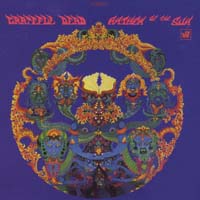 1968Anthem of the Sun
 1967The Grateful Dead