Album overview
Aoxomoxoa is the third studio album by the American rock band Grateful Dead, released on March 17, 1969, under the Warner Bros. Records label. This album marked a significant evolution in the band's sound, characterized by a blend of rock, folk, and psychedelic influences, which would become defining traits of their musical identity. The recording sessions took place at the Pacific Recording Studios in San Mateo, California, and were produced by the band themselves, showcasing a more ambitious approach to their music compared to their previous releases.
The album features a total of 8 tracks, including notable songs such as "St. Stephen," "China Cat Sunflower," and "Dupree's Diamond Blues." The lyrical content is heavily influenced by the countercultural movements of the late 1960s, reflecting themes of consciousness, exploration, and sometimes abstract storytelling. Aoxomoxoa is particularly significant for its use of the "Wall of Sound" production technique, which would later be a hallmark of the band's live performances.
Collaborators on this album included Jerry Garcia, Bob Weir, Phil Lesh, and Ron "Pigpen" McKernan, who all contributed to the signature sound that would define the Grateful Dead. The album did not produce any traditional hit singles but did gain popularity among fans, further cementing the band's place in the music scene of the era. Aoxomoxoa's cultural significance lies in its experimental nature and its role in shaping the jam band genre, influencing countless artists in the years to come.
Review
Aoxomoxoa presents a rich tapestry of sound and experimentation that epitomizes the Grateful Dead's artistic vision. The album opens with "St. Stephen," a track that effortlessly combines intricate guitar work with introspective lyrics, setting the tone for a journey through the psychedelic landscape of the late '60s. The seamless transitions between songs, particularly between "China Cat Sunflower" and "I Know You Rider," showcase the band’s improvisational prowess, a hallmark of their live performances.
Lyrically, the album delves into abstract imagery and philosophical musings. Jerry Garcia's vocals are hauntingly beautiful, and his guitar solos are both emotive and technically proficient. The band's harmonies add a layer of richness, particularly in tracks like "Rosemary," which evoke a sense of nostalgia and longing.
While some listeners may find the album's experimental nature daunting, it is this very quality that defines Aoxomoxoa as a groundbreaking work. The production quality, although a product of its time, contributes to the dreamlike quality of the music, making it an essential listen for those seeking to understand the evolution of rock music during this era.
Highlights
- Innovative blend of rock, folk, and psychedelic sounds.
- Intricate musicianship and improvisational flair.
- Thought-provoking lyrics that reflect the cultural zeitgeist.
Weak points
- Some listeners may find the experimental approach challenging.
- Lack of traditional hit singles could limit mainstream appeal.
- Production quality may feel dated to contemporary ears.
Overall evaluation
Aoxomoxoa stands as a testament to the Grateful Dead's artistic ambition and willingness to push musical boundaries. Its unique blend of sounds and thought-provoking lyrics solidify its place in music history.
Personal rating: 8/10
```

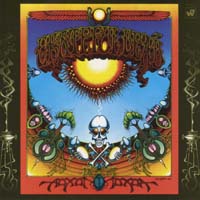
 1991Infrared Roses
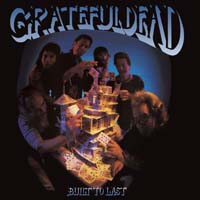 1989Built to Last
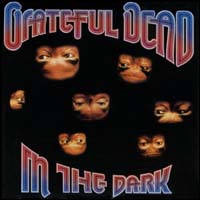 1987In the Dark
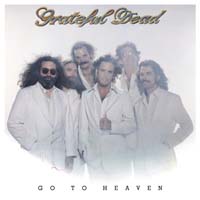 1980Go to Heaven
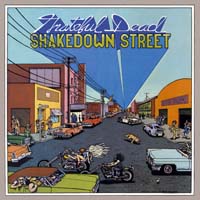 1978Shakedown Street
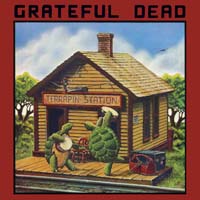 1977Terrapin Station
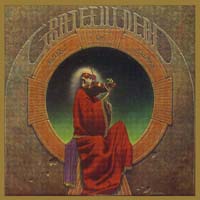 1975Blues for Allah
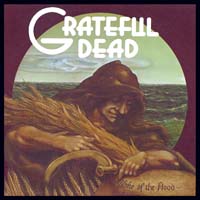 1973Wake of the Flood
 1970American Beauty
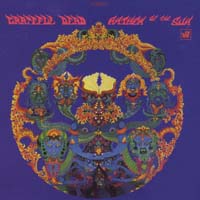 1968Anthem of the Sun
 1967The Grateful Dead